TL;DR

  • If your dinner feels boring, it’s usually because you’re serving everything on the same “note” (same texture, same richness, same flavor family) because you skipped contrast.
  • Most meals get instantly tastier with one bright element (an acid), one fresh element (herbs/greens), and one crunchy element (toasted crumbs/nuts/crisp topping).
  • Use the “Finish Kit” habit: keep 6–8 fast add-ons around so you can turn any meal into a winner in 2 minutes or less—without cooking a whole new recipe.

You can follow recipes, procure decent ingredients, and cook everything perfectly—and still feel like dinner has the same vibe every night. The problem probably isn’t you. It’s a stealth error that flattens almost every plate: you’re not serving the meal with contrast.

“Contrast” simply means what’s in your mouth is hitting against something to wake it up, be it brightness against unctuousness, crunch against softness, freshness against cooked flavors—and then finishing on a pop of salt or heat. Take away opposing forces and food is one-note, even if seasoned.

The dinner mistake: cooking the dish… then forgetting to finish it

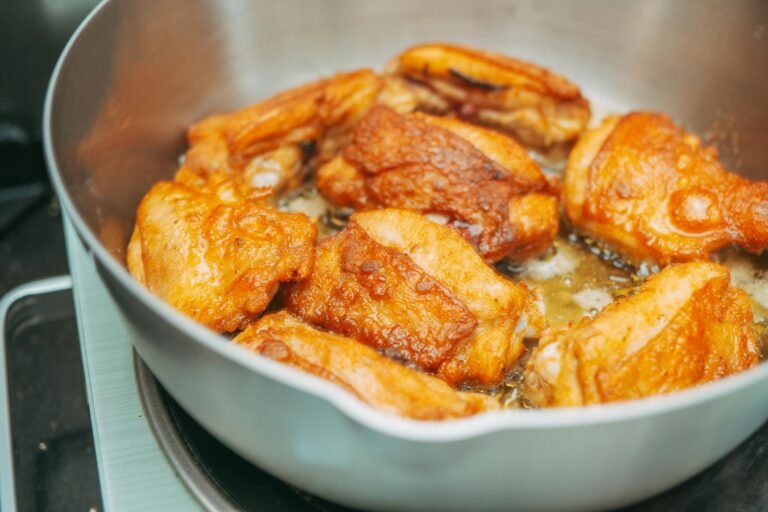
Most meals at home are a “main” (pasta, chicken, chili, stir-fry) and maybe a side dish. The mistake happens at the end, after plating it, just when the food is as it should be cooked. That usually means the entire meal is one temperature, one texture, and one flavor family.

Simple rule: if your plate is primarily soft + brown + warm + savory, it needs a finish. Add a bright thing, a fresh thing, or a crunchy thing, ideally two of the three.

How do you know when your meal is missing contrast? (a quick self-check)

  • After the first couple bites, everything tastes kinda the same—despite the fact that the first bite was still “good”.
  • You keep grabbing out for extra cheese, extra sauce, or extra salt but it still feels dull to you.
  • It feels heavy or cozy but it’s not craveable and you’d never order it in a restaurant.
  • You’re proud of the main dish but no one is commenting on it—and then leftovers feel like work.

The 5 contrast levers that make any dinner feel way more interesting
You don’t need a new recipe. You just need one or two small “levers” that change how the food lands on your tongue. Five of those tools are listed below, and below that are some good practical ideas for using these levers.

  1. Acid. (brightness)
    This is the quickest way to un-bore a meal. Acid serves to lighten up rich foods and serve to clarify savory foods. Use sparing amounts of it at the end where it’s still noticeable.
    Squeeze lemon or lime directly over the dish pasta or otherwise. Works particularly well for soups, roasted vegetables, chicken, fish, tacos, anything. Dribble a spoonful of vinegar based hot sauce to a pot of beans, or to any green dish or casserole-y stew. Top with a little pile of quick picked onions, or cucumber and jalapeño or carrot. Add just a lil drip or two of something tangy like yogurt + lemon, or salsa verde, or chimichurri or even a simple vinaigrette.
  2. Crunch. (texture)
    • Toasted breadcrumbs (with a bit of olive oil/butter, garlic, and salt).
    • Crushed nuts or seed (almonds, peanuts, pepitas, sesame).
    • Crispy onions/shallots or tortilla strips.
    • Fresh crunchy veg as a topper (radish, cucumber, shredded cabbage, snap peas).
  3. Freshness (raw, green, herbal)
    Freshness adds a “top note” that often eludes cooked food. Just a spoonful of chopped herbs can radically change how something tastes, making your own reheated leftovers feel like something new.

    • Herbs: cilantro, parsley, dill, basil, mint (pick one, chop, sprinkle generously).
    • Tender greens: arugula, baby spinach, spring mix (roll up with a squeeze of lemon + olive oil and set aside; serve alongside or on top).
    • Scallions, chopped, or chives for a clear oniony bite.
    • Fresh salsa, pico de gallo, or diced tomato + salt + olive oil.
  4. Heat (spice) and “tingle”
    Not everything needs it, but it’s more txture and more complexity if a little heat (or sharpness from horseradish, mustard—anything along those lines) can be introduced. Heat helps engage attention and avoids the “num,” num, num effect of the chow falling off the digital conveyor belt in our face.

    • Red pepper flakes on pasta, pizza, roasted vegetables, eggs.
    • Chili crisp or chili oil on rice bowls, dumplings, noodles, sautéed greens.
    • All the pepper in the world (added at the end is more aromatic).
    • A sharp foil: horseradish, mustard, tiny bits of wasabi-style condiments (careful on the spicer ship).
  5. Salt and fat—used as finishing tools (not just during cooking)
    If something seems flat, maybe a final tiny touch of salt is called for—but very often it will be a finishing fat (olive oil, butter, sesame oil), or a salty topper, that you really desire (Parm, feta, olives). All the good stuff goes in here. This kit gets used all the time—it’s what keeps the fried rice interesting week after week. The trick is small amounts at the end for aroma and pop, not the heaviness.
How to check: taste one bite as-is, then add just ONE finishing item (like a squeeze of lemon). Take a second bite. If the second bite makes you want a third, you found the missing lever.

The Finish Kit: stock these 8 items, and dinner stops being boring at night.

A Finish Kit is a short list of groceries that let you add contrast mindlessly. You won’t need all of these—pick 4 to start and build them over time. If you’re scurrying toward serving time and don’t know what to do to bring an unexciting meal to life, check out this simple Finish Kit (mix-and-match):

A simple Finish Kit (mix-and-match)
Category Keep on hand Best for How to use (fast)
Acid Lemons/limes, red wine vinegar, rice vinegar Rich, savory meals Squeeze/drizzle right before serving
Crunch Panko or breadcrumbs, nuts/seeds Soft meals (pasta, bowls, soups) Toast in a skillet 2–4 minutes, sprinkle on top
Fresh Parsley/cilantro, scallions, bagged arugula Everything Chop and shower over the dish; or serve greens dressed with lemon
Heat Red pepper flakes, hot sauce, chili crisp Beans, eggs, noodles, roasted veg Add to individual bowls so everyone controls spice
Salty toppers Parm, feta, olives, capers Mediterranean, pasta, roasted veg Sprinkle/drain and add at the end
Creamy contrast Plain yogurt or sour cream Spicy, smoky, or hearty dishes Dollop + pinch of salt + squeeze of lemon
Pickled Pickled onions, pickles, kimchi Bowls, sandwiches, tacos, rich meats Add as a side or topper
Finishing oils Olive oil, toasted sesame oil Soups, veggies, grains A small drizzle right before serving

A 10-minute rescue routine for any “meh” dinner

First, taste one bite and name what it is: too heavy, too flat, too bland, too same-texture, too rich, too sweet, too salty.

  1. Add one brightener: squeeze lemon/lime into pot/bowl OR stir in 1–2 teaspoons vinegar (go small; you can add more).
  2. Add one texture: toast breadcrumbs or nuts in dry skillet (or use crunchy raw topper, like shredded cabbage).
  3. Add one fresh element: toss in chopped herbs or sliced scallions; or toss a quick side salad (greens + lemon + olive oil + salt).
  4. Retaste and adjust salt last (a bit matters more when acid is present).
  5. Plate with intention: put toppings on at table so they stay crisp and everyone can customize.

Examples: how to add contrast to common weeknight meals

“Upgrades that don’t require a new recipe”

Adding contrast to common weeknight meals
Meal Common Issue Finishing Touches to Add
Spaghetti with marinara Soft + samey, sweetness from tomatoes Lemon zest; red pepper flakes; toasted breadcrumbs; arugula side salad
Chicken and rice Beige-on-beige, mild flavor Salsa verde; quick-pickled onions; toasted nuts; chopped herbs
Chili Heavy and uniform texture Lime squeeze; diced raw onion; crushed tortilla chips; dollop yogurt/sour cream
Stir-fry Sauce coats everything, similar texture Fresh cucumber or cabbage on top; toasted sesame seeds; chili crisp; lime
Roasted vegetables All soft, all caramelized Vinaigrette drizzle; feta; toasted pepitas; fresh herbs
Sheet-pan salmon + potatoes Rich fish + starchy side Lemon + capers; herb salad; quick pickles; crunchy slaw
Soup (any kind) One texture, one temperature Crispy croutons/toast; herb oil; squeeze of lemon; grated cheese

Common “contrast killers” to avoid

  • Over-relying on one fix (only adding more cheese, only adding more salt). It often makes food heavier without making it more exciting.
  • Cooking everything to the same softness (mushy vegetables, overcooked pasta, no crunchy bits).
  • Skipping a fresh side because it’s “extra work.” A salad you throw together in 60 seconds can be the thing that transforms a boring dinner into an awesome one.
  • Adding acid too early and then cooking it off. If you want something bright, finish with it.
  • Putting crunchy toppings on too early (they steam and get flabby); save them for the table.

Make it a habit: one question to ask at serving time

Before you plate, ask yourself, “What’s the contrast?” If you can’t name the contrast, add it. This question turns a cooking process from “go-follow-the-steps” to a great bite, and that’s exactly what we want to avoid our home food feeling repetitive.

Q: Is the mistake simply “not using enough salt”?

A: Often, but not always. If you keep adding salt, and still feel that your dish is lacking, what you’re probably missing out on is acid, freshness, or texture. Salt draws out flavor. Contrast makes everything more interesting.

Q: What’s the easiest contrast to add if I haven’t planned for it?

A: Acid: a squeeze of lemon/a splash of vinegar at the end tends to be the fastest path to waking most savory dishes right up.

Q: How can I add contrast without making my meal complicated?

A: Pick exactly two “finishers” you love; repeat them. For instance, lemon + chopped herbs for your weeknight fish; pickled onions + tortilla chips for your chili and taco bowls, and soon that feels like a system, not more work.

Q: My family doesn’t really like spicy food—what can I do instead of heat?

A: Brightness and crunch: citrus, vinegar, pickles, fresh herbs, … toasted bread crumbs or nuts—even cucumber or shredded cabbage all create excitement without spice.

Q: Does this all work for kid-friendly meals?

A: Yes! Just watch your “add on’s” and make sure they’re mild, and customizable. For instance, top all dinner bowls with cheese, crunchy crumbs, cucumbers, lemon wedges, etc, in little bowls, so that your kids can select what they prefer to eat.

If I could have only one starting point: always have a few lemons, a bunch of parsley in the fridge and something crunchy (breadcrumbs or some sort of nut), and with those three ingredients, you can rescue an astonishing number of dinners! Leaving you to have some goodness waiting for you.