
Dinner can start feeling expensive long before the grocery bill gets out of hand. Usually, it happens when the side dishes fall flat. A plate with plain rice, steamed carrots, or tired green beans can make the whole meal feel skimpy, even if the main dish is fine. That is often when people add salad kits, deli sides, or one more takeout item just to make dinner feel complete. USDA’s April 2026 Food Price Outlook projected food-at-home prices to rise 2.4% in 2026, while food-away-from-home prices were projected to rise 3.6%, which makes low-cost sides worth taking seriously. (ers.usda.gov)
The solution is not getting better-quality ingredients; it is employing one rule that allows inexpensive items to provide contrast, structure, and a completed appearance. Once that single rule is established, cabbage will no longer be seen as a back-up food. Carrots will no longer be seen as a standard. Rice, beans, potatoes, and frozen vegetables can also provide much better value for the same amount of money spent on groceries.
- Build every side dish with three parts: a low-cost base, one bright flavor, and one finishing touch.
- Keep finishing ingredients on a budget by capping them at roughly 30% of the side dish cost.
- Reuse the same lemon, vinegar, mustard, herbs, or crunchy topping across several meals.
- Choose sides that still taste good the next day or can be repurposed at lunch.
- If you want proof the rule works, track cost, waste, and repeat requests for two weeks.
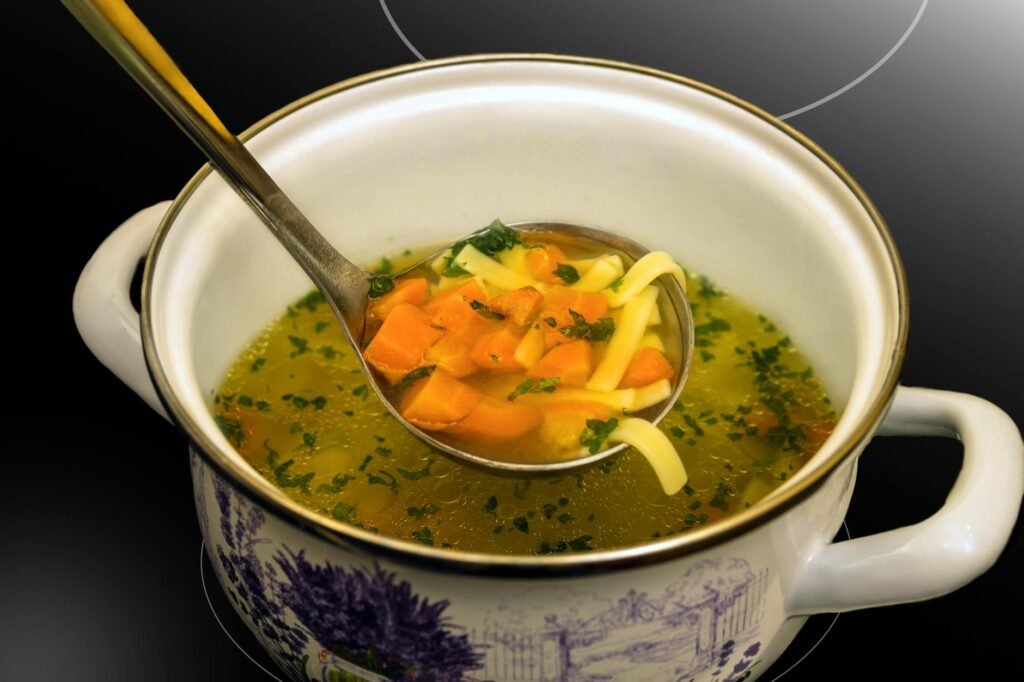
The rule: Base, Spark, Snap
This is known as the “Base, Spark, Snap Rule”. For frugal side dishes, you want the base ingredient providing the bulk of ingredients, the spark to give the dish a kick and the snap to finish the dish with a contrast to what came before. If any one of those parts is missing it creates the perception that the side dish costs less than it actually does.
- Base: the inexpensive ingredient doing the heavy lifting, such as cabbage, carrots, potatoes, rice, beans, lentils, or frozen green vegetables.
- Spark: one bright note that cuts through starch or sweetness. Think lemon juice, vinegar, mustard, garlic, chile, salsa, or a sharp spice blend.
- Snap: the finishing element that adds texture or polish. Good budget options include toasted breadcrumbs, sunflower seeds, pumpkin seeds, crisp onions, scallions, parsley, or a drizzle of flavored oil.
- Cost guardrail: try to keep the spark and snap together at about 30% or less of the dish cost. If the finish starts costing as much as the base, the side is no longer doing budget work.
Consider how different plain boiled potatoes are from warm potatoes mixed together with vinegar, scallions, and crunchy toppings. Though they are technically the same product – they are still reminiscent of cheap potatoes – their preparation gives them a special quality. The key is not to hide the fact that inexpensive food is being used, but rather, to provide a defined finished product on the plate.
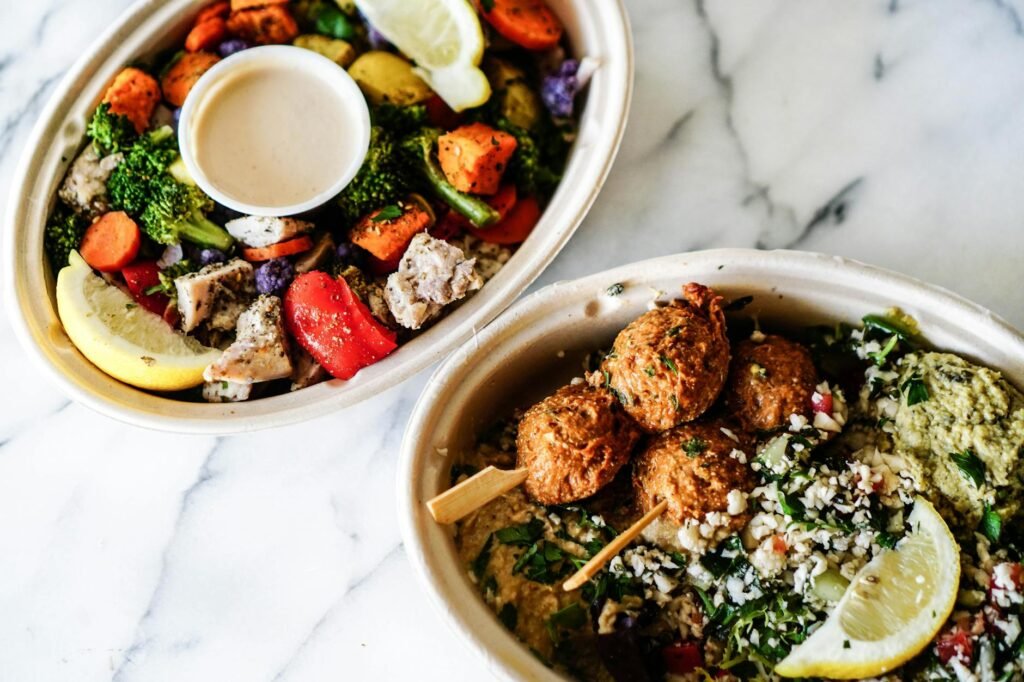
Why this works better than buying nicer ingredients
Special usually comes from treatment, not price. MyPlate says frozen and canned produce can be just as healthy as fresh, and it recommends keeping flavor-building herbs and spices on hand. EPA says one-third of food in the United States goes uneaten, and the average family of four spends almost $3,000 a year on food that does not get eaten. A side dish rule helps on both fronts: it makes budget ingredients more appealing now and easier to finish later. (myplate.gov)
From the point of view of personal finance, it’s basically a satisfaction issue. Households will resort to spending more when they don’t feel like a meal is not done, by providing well-developed sides it can reduce the stress on the main course, allow a smaller piece of meat to be stretched further, and give reason to store leftovers, instead of tossing them, until they rot.
Decision table: match the cheap base to the right upgrade
| Low-cost base | Best spark | Best snap | Fast method | Watch-out |
|---|---|---|---|---|
| Cabbage | Lemon or cider vinegar | Toasted breadcrumbs or sunflower seeds | Salt lightly, let it soften, then dress | Fresh herbs are optional; do not let them double the cost |
| Carrots | Lemon, cumin, or honey-mustard | Crisp crumbs or chopped peanuts | Roast long enough to get browned edges, then finish warm | Too much sweetness can make them taste flat |
| Potatoes | Vinegar, mustard, or scallion | Olive oil gloss or crunchy onions | Boil, smash, and crisp, then dress while hot | Cheese can erase the budget advantage fast |
| Green beans, fresh or frozen | Garlic plus red wine vinegar | Almonds, seeds, or browned crumbs | Blister in a hot skillet instead of steaming | Crowding the pan makes them soggy |
| Rice or barley | Lime, vinegar, or herb dressing | Crispy onions or seeds | Season while warm so the flavor absorbs | Do not serve it plain and call it done |
| Beans or lentils | Lemon, salsa, or sherry vinegar | Celery, parsley, or crunchy crumbs | Dress while warm and let sit 10 minutes | Creamy dressings can shorten leftover life |
Use the 30% Finish Cap
The easiest way to overspend on a frugal side is to let the garnish become the grocery list. A few ounces of cheese, half a tub of specialty nuts, and one clamshell of herbs can cost more than the potatoes or cabbage underneath. The 30% Finish Cap is a simple decision rule: if the spark and snap ingredients together run much above 30% of the total side dish cost, pause and swap one premium ingredient for a pantry one. Potatoes plus vinegar, mustard, and scallions still feel smart. Potatoes plus cheese, pine nuts, and fresh dill may taste great, but they are no longer a low-cost side in any meaningful way.
- Highest-return spark: vinegar or lemon. It is usually the cheapest way to make a bland side taste deliberate.
- Highest-return snap: toasted breadcrumbs. They add texture for very little money, especially if made from stale bread.
- Best nut alternative: sunflower or pumpkin seeds. They give crunch without the cost of many nuts.
- Best green finish: scallions or parsley, but only when you have at least one more use planned that week.
- Most common overspend: buying one special topping for one meal and never touching it again.
A realistic one-week example with numbers
Prices below are a composite illustration for a low-cost U.S. grocery trip, not a national price survey. Pantry oil, salt, pepper, and common spices are counted at small-use amounts, not full-container prices.
Imagine a household planning five dinners. They buy one green cabbage for $2.49, a 2-pound bag of carrots for $1.89, a 5-pound bag of potatoes for $4.79, one 12-ounce bag of frozen green beans for $1.79, a pound of dry rice for $1.69, one lemon for $0.69, one bunch of parsley for $1.29, one bunch of scallions for $1.19, and a share of pantry vinegar, mustard, breadcrumbs, oil, and sunflower seeds estimated at $2.40. The ingredients actually used across the week total about $18.22.
- Night 1: lemon-mustard cabbage slaw with toasted crumbs, about $0.63 per serving for four servings.
- Night 2: roasted carrots with cumin and parsley, about $0.52 per serving.
- Night 3: crispy smashed potatoes with scallions and vinegar, about $0.78 per serving.
- Night 4: garlicky green beans with toasted sunflower seeds, about $0.67 per serving.
- Night 5: warm rice with lemon, parsley, and a crunchy topping, about $0.71 per serving.
The math works out since all your special components have been repeated many times over. The lemon appears two times in the plan, parsley reflects on three sides of the plan, and breadcrumbs can be derived from stale bread or a cheap canister. No seasoning is bought once for one tablespoon of seasoning; it’s an ignored budget win. The side dish seems defined and carries little waste into the following week when the cart is pulled to a retail establishment.
How to shop so one side dish ingredient works all week
Planning matters more than ambition. EPA recommends checking your refrigerator, freezer, and pantry before shopping and planning around food that needs to be used first. MyPlate also recommends using a mix of fresh, frozen, and canned produce so you are not relying only on short-life items. (epa.gov)
- Pick two sturdy bases for the week and one freezer backup. Good combinations are cabbage and potatoes plus frozen green beans, or carrots and rice plus canned beans.
- Choose one acid. Lemon, lime, cider vinegar, rice vinegar, or red wine vinegar is enough.
- Choose one long-lasting snap. Breadcrumbs, seeds, or crisp onions work better for the budget than fragile specialty toppings.
- Add one green note only if it has at least two uses on the menu. Parsley, scallions, and cilantro all need a plan.
- Prep the finish once. Toast crumbs or seeds on day one and keep them ready in a jar.
- Give every side a leftover path before you cook it. Slaw becomes a sandwich topping, potatoes become breakfast hash, and green beans go into a grain bowl.
Common mistakes that make frugal sides taste cheap
- Buying a specialty ingredient for one side dish and never using the rest.
- Using only fat and salt, with no acid or brightness.
- Steaming vegetables until they are soft, gray, and watery.
- Forgetting texture contrast, so every bite feels soft.
- Adding so many toppings that the base ingredient no longer saves money.
- Making a huge batch of a side nobody wants cold the next day.
- Skipping frozen or canned options even when your week is too busy for fragile produce.
When the rule is not enough
Certain ingredients may require greater assistance than the basic guidelines offer on their own. For example, when frozen vegetables become overcrowded in a pan, they are prone to producing excess moisture. Additionally, starchy side dishes can also become too heavy without adding sufficient acid. In addition, fresh herbs can quickly become waste in homes with one or two individuals rather than adding value; however this does not mean that these guidelines are unsuccessful; rather it may indicate that a different form of backup is necessary to provide for one’s budget.
- If fresh herbs keep dying in the fridge, switch to scallions, parsley flakes, or freezer herb cubes.
- If frozen vegetables steam instead of blister, use a wider skillet or a hotter oven and cook them in a thinner layer.
- If the household hates bitter greens, do not force the issue. Use sweeter bases like carrots, cabbage, roasted cauliflower, corn, or glazed onions.
- If nuts are too expensive or off-limits, use toasted crumbs, seeds, or crushed crackers for crunch.
- If the side needs to last for lunches, favor vinaigrette-based dishes over creamy ones.
For batch-cooked sides, safety matters as much as savings. FDA advises keeping the refrigerator at 40°F or below, and FoodSafety.gov says many cooked leftovers and mixed dishes are best used within 3 to 4 days. (fda.gov)
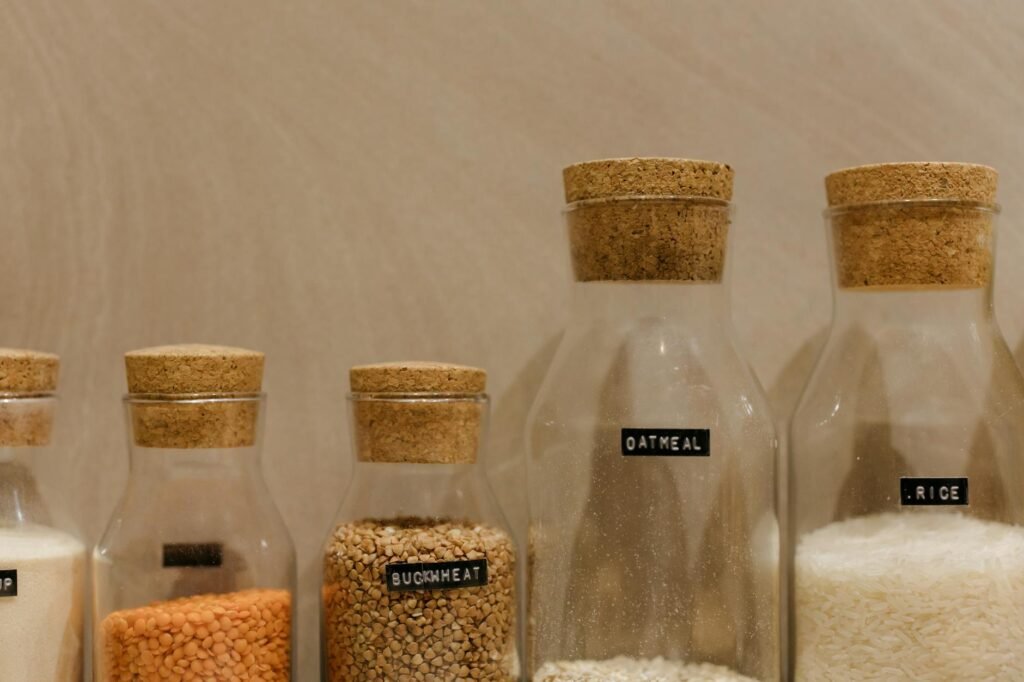
Run a two-week Specialness Audit
To see whether or not this principle saves you money in your home kitchen, try conducting a two-week Specialness Audit, as you might if you were trying to determine how to save money in a separate category of spending. The goal is not only to prepare better sides, but also to identify the least expensive options for finishing your meals that will still be noticed and consumed by your household.
- Pick three base ingredients you already buy often, such as potatoes, cabbage, and rice.
- For each side dish, write down the total cost and the finish cost. If the finish pushes above the 30% cap, mark it.
- Score each dish from 1 to 5 on taste, appearance, and leftover appeal.
- Check what happened after dinner. Was the side eaten at lunch, ignored, or thrown out?
- Keep only the finishes that score 4 or 5 and get used in at least one other meal that week.
Households tend to identify patterns easily. On value, lemon and vinegar frequently outdo high-dollar cheeses. Toasted crumbs and seeds almost always outperform nuts from a cost standpoint. With an actual menu plan, fresh herbs will only make sense in the long run. Conducting these audits helps build a cooking tip into a consistently money-saving habit.
Bottom line
Affordable side dishes seem like good options when they both taste and look appealing at their end. To achieve this, combine a base ingredient that is strong enough to withstand longer use, a base ingredient that is bright enough for multiple uses and an ingredient that has enough crunch for multiple uses. Reduce your end cost and make each of the new options earn two additional uses/taste/reapproved use and run the final results through a test for wastage. Example; cabbage and potatoes, beans, rice and carrot sets will all contribute a larger share toward your grocery bill without making your main course less desirable.
FAQ
Does this rule work with frozen vegetables?
Yes. Frozen vegetables are often the better budget move when your cooking schedule is unpredictable. MyPlate notes that frozen and canned produce can be just as healthy as fresh. The practical trick is cooking them hot enough to drive off moisture, then adding the spark and snap at the end. (myplate.gov)
What is the best first spark ingredient to buy if my pantry is bare?
Start with one bottle of vinegar and one small jar of mustard. That pair can wake up potatoes, slaw, bean salads, rice, carrots, and green vegetables for very little money.
Are fresh herbs worth it on a tight budget?
The second option is typically better when it works as a substitute. If you are using the parsley for just one night, you may want to consider using scallions, dry herbs, something crispy with an acid, rather than just using dried parsley alone.
Can canned beans count as a side dish base?
Absolutely. They work especially well in warm bean salads, rice-and-bean sides, and quick marinated vegetable mixes. MyPlate even suggests combining leftover rice with canned black beans and frozen corn to stretch leftovers into another meal. (myplate.gov)
How do I keep side dishes from turning into food waste?
Plan the next use before dinner, cool leftovers promptly, store them covered, keep the fridge at 40°F or below, and try to use most cooked leftovers within 3 to 4 days. Those habits matter as much as the recipe. (fda.gov)
References
- USDA Economic Research Service – Food Price Outlook: Summary Findings – https://www.ers.usda.gov/data-products/food-price-outlook/summary-findings/?os=http
- U.S. EPA – Preventing Wasted Food At Home – https://www.epa.gov/recycle/preventing-wasted-food-home
- USDA MyPlate – Planning for Healthy Eating and Savings: Fruits and Veggies Edition – https://www.myplate.gov/sites/default/files/2024-01/MyPlatePlanningForHealthySavingsFVfinal-Jan2024.pdf
- FDA – Are You Storing Food Safely? – https://www.fda.gov/consumers/consumer-updates/are-you-storing-food-safely
- FoodSafety.gov – Cold Food Storage Chart – https://akaprod-www.foodsafety.gov/food-safety-charts/cold-food-storage-charts