
Last-minute takeout usually is not a recipe problem. It is a systems problem. By 5:42 p.m., the failure points are predictable: nothing is thawed, nobody picked a dinner, the produce you meant to use on Tuesday is fading, and everyone is too tired to improvise. In 2024, the average U.S. consumer unit spent $3,945 on food away from home, or about $328.75 a month. That means even a couple of emergency dinner orders can become a meaningful leak in an otherwise careful budget. (BLS)
A useful dinner plan does not ask you to cook five ambitious meals. It lowers friction, gives leftovers a job, and keeps one dinner-level backup in the freezer. That matters for waste too: the EPA says the average family of four spends almost $3,000 a year on food that does not get eaten. (EPA)
- Use a 2-2-1 structure for weeknights: two true cook nights, two planned leftover or remix nights, and one rescue night.
- Only put meals on the calendar if they pass the Two-Friction Rule: no more than two hassle points such as thawing, heavy prep, multiple pans, or a same-day store trip.
- Plan from your actual schedule and what you already have. USDA MyPlate guidance starts with checking your kitchen, mapping meals for the week, thinking about your schedule, and making leftovers part of the plan. (MyPlate)
- Build your grocery list around ingredient overlap so one protein, one grain, and a few vegetables can cover multiple dinners.
- Protect the system with food-safety basics: refrigerate leftovers within 2 hours, keep the fridge at 40°F or below, and use many cooked leftovers within 3 to 4 days or freeze them sooner. (FDA)
Why most dinner plans fail after work
Many families are planning their meals according to the recipe rather than the energy level required to prepare the meal. A meal might appear to be inexpensive when viewed on a page, but it could still lose out to takeout because it may require thawing the meat, chopping up half of what remains in the refrigerator, washing several pots and pans, and then imploring tired people to try something different on a Wednesday night. Family weeknight cooking has one rule – TIME, CLEANING UP, HUNGER, and ATTENTION will rule over CULINARY.
USDA MyPlate meal-planning guidance is useful here because it starts in the right order: see what you already have, map out the week, think about your schedule, make a grocery list, and plan leftovers on purpose. If you reverse that order and start with inspiration, you usually overbuy and underuse. (MyPlate)
The 2-2-1 Dinner Map
The simplest weeknight system is this: plan two real cook nights, two nights that deliberately reuse those ingredients, and one rescue night that comes from the pantry or freezer. That structure is easier to sustain than trying to produce five distinct dinners. It also matches common budget advice from USDA and EPA to plan meals around what you have, buy what you expect to use, and make leftovers part of the plan instead of treating them as an accident. (MyPlate)
Use the Two-Friction Rule before any meal makes the list
This article’s core tool is the Two-Friction Rule. A meal belongs on a weeknight only if it has no more than two friction points. If it hits three or more, move it to the weekend or skip it. The point is not to lower standards. The point is to stop pretending your 6:15 p.m. self has the same bandwidth as your Saturday self.
- Common friction point 1: the meal needs thawing or advance marinating.
- Common friction point 2: the meal requires more than about 10 minutes of chopping or a separate sauce.
- Common friction point 3: the meal needs multiple pots, pans, or batch cooking.
- Common friction point 4: the meal depends on a same-day grocery trip.
- Common friction point 5: the meal relies on fragile produce that is already close to spoiling.
- Common friction point 6: the meal asks your household to embrace a brand-new recipe on a low-energy night.
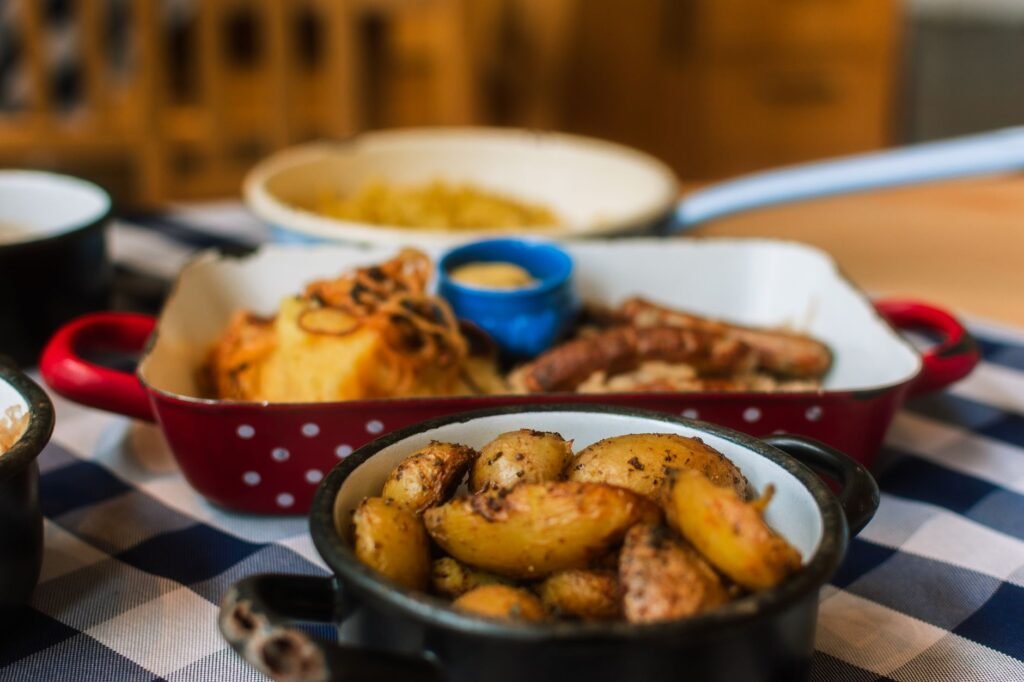
An oven-roasted sausage sheet-pan meal could pass or fail with two friction points. A stir-fried meal that requires thawed chicken, fresh herbs, homemade sauce, scratched nutty rice, and a trip to the grocery store would be counted as failing. This does not imply that these meals are poor meals; it just implies that they are not a good fit for a Thursday evening.
| Night type | What it looks like | Active time | Example dinner cost for 4 | Best used when |
|---|---|---|---|---|
| Cook night | Tacos, sheet-pan chicken and vegetables, chili, pasta bake | 25 to 35 minutes | $14 to $20 | Early in the week, right after shopping |
| Leftover/remix night | Quesadillas, rice bowls, soup, fried rice, pasta with leftover protein | 10 to 15 minutes | $6 to $12 incremental | Midweek when energy dips |
| Assembly night | Rotisserie chicken, bagged salad, rolls, cut fruit, or frozen ravioli with jarred sauce | 10 to 20 minutes | $12 to $20 | When the day runs long |
| Rescue night | Freezer dumplings, breakfast-for-dinner, canned bean tacos, grilled cheese and soup | 8 to 15 minutes | $8 to $15 | When the original plan falls apart |
| Planned takeout | A budgeted pizza or pickup meal | 0 to 10 minutes ordering or pickup | $30 to $60+ | When it is intentional, not reactive |
Build the whole week in about 20 minutes
- Check the calendar first. Mark the two nights that are most likely to go off the rails because of late work, practices, errands, or commuting.
- Look in the fridge, freezer, and pantry before you plan. USDA MyPlate specifically recommends starting with what you already have and crossing off items you do not need to buy again. (MyPlate)
- Pick two cook meals that create leftovers on purpose. MyPlate recommends preparing enough to eat multiple times during the week or freezing some for later. (MyPlate)
- Assign each leftover a next job immediately. Leftover chicken is not just leftover chicken; it is tomorrow’s quesadilla filling, rice-bowl protein, or soup starter.
- Choose one rescue meal and keep it stocked at all times. FDA guidance explicitly encourages using the freezer to keep food from going bad before you are ready to eat it. (FDA)
- Build the grocery list by meal and by quantity. EPA advises shopping with weekly meals in mind and noting how many meals each item will cover so you do not overbuy. (EPA)
- Create an eat first zone in the fridge for produce, cooked grains, half-used cheese, or leftovers that need attention soon. FDA recommends a designated space for foods that may go bad within a few days. (FDA)
A realistic week with actual numbers
Consider an illustrative household of two adults and two school-age kids. Their weak spots are Wednesday and Friday. On those nights, they often spend about $48 on a fast-casual pickup order and $36 on pizza. If they replace those two meals with a $15 taco night and an $11 pantry pasta night, that is about $58 in weekly savings from just those swaps.
- Monday cook night: chicken taco bowls with rice, black beans, salsa, and lettuce. Approximate cost: $15.
- Tuesday remix night: chicken quesadillas with leftover rice and fruit. Incremental cost: about $7.
- Wednesday cook night: sheet-pan sausage, potatoes, and broccoli. Approximate cost: $18.
- Thursday remix night: white bean and spinach pasta using pantry staples and any leftover vegetables. Approximate cost: $11.
- Friday rescue night: frozen dumplings, shelled edamame, and orange slices. Approximate cost: $13.
Even if a household only replaces two $42 takeout nights per week with two $15 home dinners, the monthly difference is roughly $233.82. That is enough to matter, especially because it comes from fixing one recurring decision point instead of trying to overhaul the entire food budget.
Shop for overlap, not novelty
The grocery list should be built around repeatable building blocks, not five unrelated dinner ideas. MyPlate’s leftover-planning guidance recommends mixing fresh items with pantry staples and setting aside time to prep basics such as grains, vegetables, and proteins for the week. That is the right instinct for both time and cost control. (MyPlate)
- Choose one main protein that can appear twice, such as chicken thighs, ground turkey, tofu, or beans.
- Choose one starch or grain that can move across meals, such as rice, pasta, tortillas, or potatoes.
- Pair one fresh vegetable with one frozen vegetable. The fresh item handles the early-week meal; the frozen one protects the back half of the week and helps prevent waste. FDA explicitly recommends using the freezer to keep foods from going bad. (FDA)
- Keep one bridge flavor on hand, such as taco seasoning, jarred pesto, soy sauce, curry paste, salsa, or marinara, so the same ingredients do not taste identical every night.
- Buy fruit that can function as a side dish as well as a snack, such as apples, oranges, bananas, or grapes.
- Stock at least one rescue staple all the time: eggs, canned beans, frozen ravioli, dumplings, soup, boxed mac and cheese, or bread and cheese for grilled sandwiches.
This is also where the waste savings show up. EPA advises planning meals before shopping, buying only what you expect to use, and remembering that bulk deals save money only if the food gets eaten before it spoils. (EPA)
When the week blows up anyway
Some weeks do not cooperate. A child gets sick. A meeting runs late. You forget to thaw anything. The answer is not to force the original plan. The answer is to downgrade the plan quickly and protect the budget. Move the cook night back a day. Use the rescue meal. Freeze cooked leftovers earlier than planned. Turn vegetables into eggs, soup, or fried rice. If your schedule is consistently chaotic, shift even harder toward semi-homemade options such as rotisserie chicken, bagged salad, frozen vegetables, and jarred sauce. That is not cheating. It is realistic system design. MyPlate and FDA both support planning around schedule and using leftovers and freezer storage deliberately. (MyPlate)
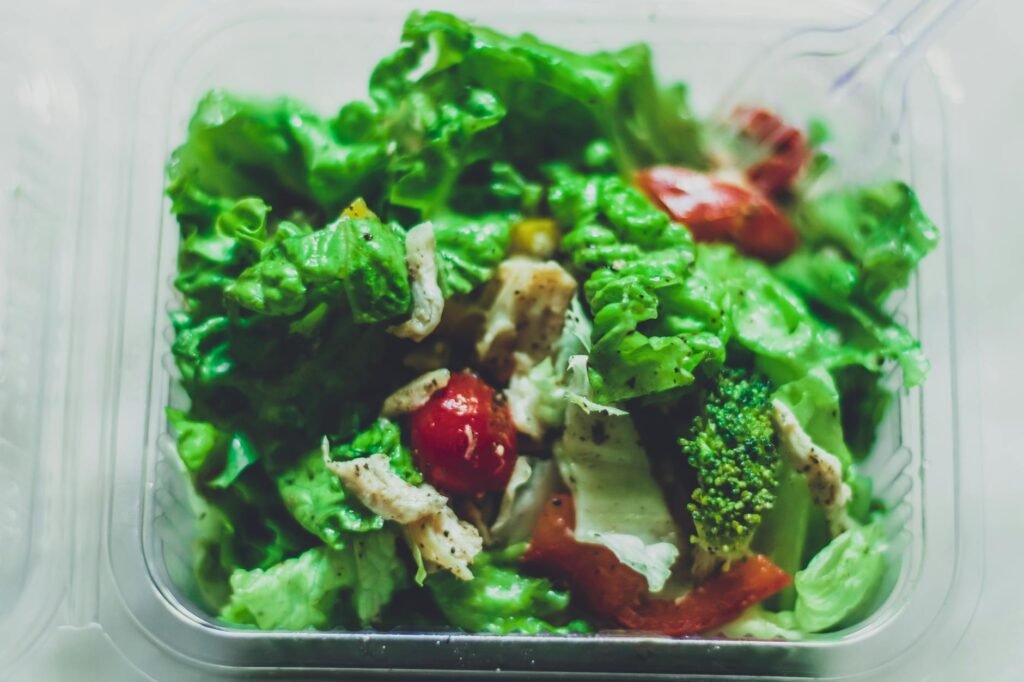
Refrigerate leftovers within 2 hours, keep the fridge at 40°F or below, and use many cooked leftovers, soups, stews, casseroles, and cooked meat or poultry within 3 to 4 days. If you are not going to eat them in that window, freeze them sooner instead of hoping the week improves. (FDA)
Common mistakes that quietly send you back to takeout
- Planning five separate cooked dinners. Most households do better with fewer true cook nights and more intentional remixes.
- Buying a long list of perishables without assigning each one to a meal. EPA recommends noting how many meals each item will cover to avoid overbuying. (EPA)
- Treating leftovers as optional. If leftovers do not have a next use, they turn into guilt instead of dinner.
- Skipping the rescue meal because it feels boring. Boring is fine. Expensive panic ordering is worse.
- Putting your hardest recipe on your hardest day. Use the calendar, not your mood at the store, to assign meals. USDA MyPlate explicitly advises thinking about your schedule when planning meals. (MyPlate)
- Using date labels as the whole decision system. FDA says confusion over product dating accounts for an estimated 20 percent of consumer food waste, and for most packaged foods a use-by date is about quality, not safety. Infant formula is the major exception. (FDA)
- Failing to check the fridge before ordering out. FDA recommends checking what needs to be used and creating a designated space for foods that are close to going bad. (FDA)
Run the Dinner Leak Audit after two weeks
The best way to check your system is throughmeasurement. The second tool for this article is the Dinner Leak Audit which should be done after 2 weeks not 6. The goal of the audit is to see if the plan works by helping to reduce your emergency spending and preventing your food from going bad before use; therefore, do not in any way try to use it to grade the quality of food or how well you cooked it.
- Count your unplanned takeout dinners. Planned takeout does not count against the system.
- Count the leftovers you threw away or forgot to use.
- Count the produce items you tossed because the week changed.
- Mark which failed dinners broke the Two-Friction Rule. If a meal failed and had three or more friction points, the system worked; the meal choice was the problem.
- Estimate the cost of one typical takeout order and compare it with one typical home dinner. BLS data show that away-from-home food is already a major part of the average household food budget, so even modest changes can be worth tracking. (BLS)
- Simplify the next week, not the next month. Replace one fragile meal with a freezer-assisted meal, shorten the grocery list, or move one cook night to the weekend.
If the audit shows fewer emergency orders, fewer forgotten leftovers, and a calmer late-afternoon routine, the system is working. If not, do not add more recipes. Remove friction.
Bottom line
An effective plan for weeknight meals typically lacks creativity. The best plan allows families to eat real meals, survive real-life situations and reduce dinner cost. The two-cook, two-remix, one rescue concept helps streamline shopping lists, assigns leftovers a use, and reduce reliance on takeout by providing options for dinners. Start with a calendar, know about yourself, and maintain an excellent standby item; as a result, you will decrease your preparation time and reduce your dinner expenses.
FAQ
Is this the same as meal prep?
Not really. Meal prepping references one method, but this system offers a more comprehensive approach. By following your schedule, minimizing friction during the week, providing uses for leftovers, and keeping a backup meal ready to go, you can use this system without having to do all of your cooking on Sunday.
How many weeknight dinners should I actually buy for?
For five weeknights, most households should buy for about three to three-and-a-half true dinners, not five separate cooked meals. The rest should come from leftovers, remixes, or a rescue meal. That structure is more consistent with USDA guidance to plan leftovers and think about your weekly schedule before shopping. (MyPlate)
What if my household says it hates leftovers?
Often people hate repeats, not leftovers. Change the form and the flavor. Roast chicken becomes tacos, quesadillas, soup, or pasta. Rice becomes bowls or fried rice. MyPlate’s leftover planning materials explicitly encourage reimagining leftovers as new dishes. (MyPlate)
Should takeout still have a place in the budget?
Yes, if one plans ahead. A planned takeout night is entertainment or convenience you prearranged, but it becomes expensive when one does not have a home fallback for a last-minute order. This system is intended to cut down on last minute reactivity, not eliminate preplanned ways to have fun or convenience at home with takeout food.
How long can cooked leftovers stay in the fridge?
Many cooked leftovers, including cooked meat or poultry, soups, stews, casseroles, and pizza, are best used within 3 to 4 days in a refrigerator kept at 40°F or below. If you will not use them in time, freeze them sooner. (FoodSafety.gov)
Do date labels tell me whether packaged food is unsafe?
Usually no. FDA says many consumers misunderstand food date labels, and that confusion contributes to food waste. For most packaged foods, a use-by date is about best quality, not a strict safety deadline. Infant formula is a major exception and should be used by the labeled date. (FDA)
References
- BLS Consumer Expenditures – 2024
- USDA Food Plans: Monthly Cost of Food Reports
- USDA MyPlate Meal Planning Tip Sheet (PDF)
- USDA MyPlate Planning for Savings: Leftovers Edition (PDF)
- EPA Preventing Wasted Food At Home
- FDA Tips to Reduce Food Waste
- FoodSafety.gov Cold Food Storage Chart
- FDA Are You Storing Food Safely?