
- The costly freezer mistake is organizing for empty space instead of visibility and rotation.
- Food kept at 0°F stays safe indefinitely, but quality still declines over time, so buried food often turns into food you no longer want to eat. (fsis.usda.gov)
- A low-waste freezer usually needs four things: flat portions, clear labels, fixed zones, and one obvious “eat first” area.
- If you want the system to stick, run a monthly audit: count mystery packages, duplicate purchases, and the dollar value of food you threw out.
A freezer is supposed to be your household’s money-saving backup plan. In practice, many freezers become delayed trash cans: old ground meat buried under waffles, leftovers frozen in giant mystery tubs, half-used bread lost behind ice packs. The money leak is easy to miss because the waste happens later. You pay at the store now, then throw it away months later when the food looks unappealing, freezer-burned, or unrecognizable. USDA says the average American family of four loses about $1,500 a year to uneaten food, so this is not a minor kitchen habit. It is a household budget problem. (usda.gov)
The mistake behind a lot of that waste is simple: people organize the freezer for capacity, not retrieval. They pack items wherever they fit, stack bulky containers, and rely on memory instead of a system. That matters because freezing is not magic. USDA and FDA both note that frozen food stays safe indefinitely at 0°F, but recommended freezer times are about quality. FDA also says confusion about date labels contributes to food waste, with an estimated 20 percent of consumer food waste tied to misunderstanding those labels. In other words, a badly organized freezer does not just hide food. It lowers the odds that you will use it while it still tastes worth eating. (fsis.usda.gov)
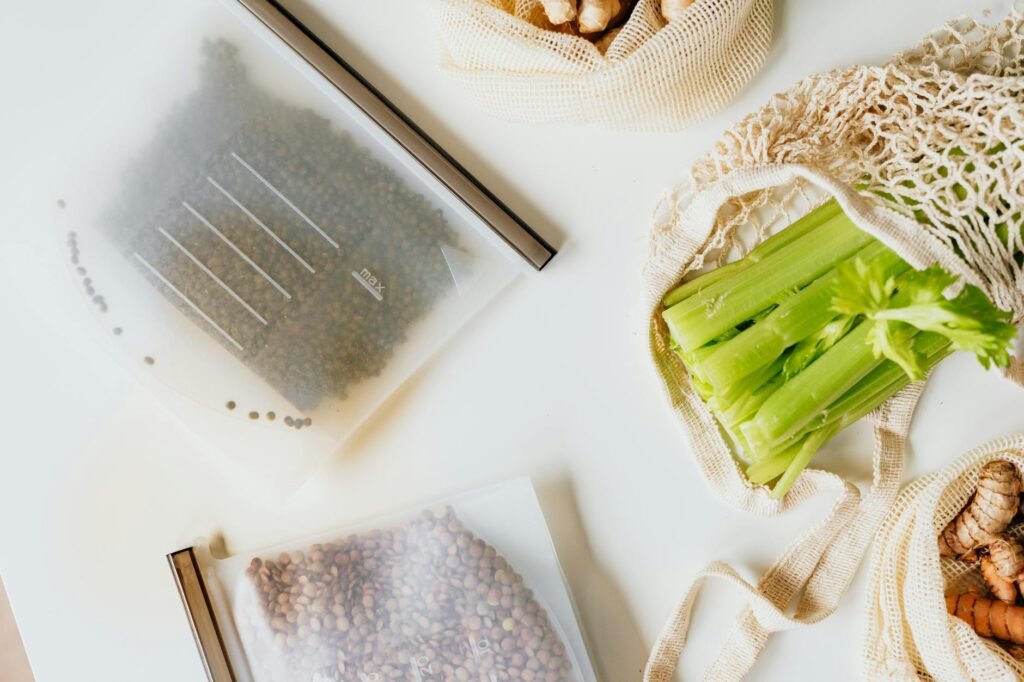
The real problem is buried inventory
When comparing a typical grocery store freezer to your average home freezer, we see two very different categories of merchandise. The first category includes grocery stores where most items are somewhat uniform in shape, the way they are packaged, and the way they are located next to each other. In comparison, most home freezers have items scattered about in a generally haphazard fashion such as, for example; one oddly shaped casserole dish, two loose bags of frozen vegetables, a tray of chicken with the original packaging still on it , four unlabeled containers filled with various items, a bag of frozen bread shoved in sideways, and a variety of various other items that no one remembers purchasing. The end product is not only an unorganized mess, but it also creates an inventory that cannot be readily accessed. As if there were no fresh food and only a freezer full of frozen foods, it is nearly impossible to compete with fresh food in your refrigerator or to buy an easy-to-pick item from your grocery store if you can’t see what you already have.
That is why the most expensive freezer does not always belong to the person with the smallest one. It belongs to the household that cannot answer three basic questions in under 30 seconds: What proteins are in here? What leftovers should be used first? Do we already own the thing I am about to buy again? EPA’s home food-waste guidance tells households to look in the refrigerator, freezer, and pantry before shopping, and to refrigerate or freeze leftovers in clear, labeled containers with dates. That is good advice because the shopping mistake usually starts with a storage mistake. (epa.gov)
Use the FLAT Map to fix it
A freezer that minimizes waste utilizes a basic premise – foods that are most likely to be used first will be positioned in the easiest manner to view or obtain. I refer to this as the FLAT Map. It is a basic system that can be put into use in one reset and can be maintained easily every 7 days in 1 to 2 minutes.
- F – Freeze all items flat or shallow (soup, chili, shredded chicken, cooked beans, rice, stock, sauces); since these items are generally easier to stack, thaw and identify when they’re frozen in flat bags or shallow containers vs. deep containers.
- Label everything. Put the item name, serving size and packed date on the outside of the item. Having a quick note to help the family better use it makes it easier on the family; ie – 2 cups for taco night, 4 slices for toast only. Just the date does not work.
- A – Assign permanent zones. Keep raw proteins together, cooked meals together, bread together, produce together, and convenience items together. The point is not perfection. The point is eliminating scavenger hunts.
- Track one “eat first” zone per food;
Give older items and part packages each a bin or shelf; Move food nearing a date where quality starts to deteriorate to this bin/shelf;Now that there are no items being stored, just an ongoing rotation of items in the freezer.
| Situation | Better format | Why it reduces waste | Watch-out |
|---|---|---|---|
| Bulk-pack meat or poultry | Meal-size portions in freezer bags or wrap, then grouped in one protein zone | You thaw only what you need instead of a family pack you may not finish | For longer storage, original store wrap is not the best quality barrier |
| Soup, chili, broth, cooked beans | Flat bag on a tray or shallow container | Stacks neatly, thaws faster, and is easy to see at a glance | Leave room for expansion |
| Bread, tortillas, buns | Original bag inside a larger freezer bag in a bread section | Cheap, fast, and easy to grab a few pieces without defrosting everything | Squeeze out extra air so quality lasts longer |
| Cooked rice, pasta sauce, shredded meat | Small 1- to 2-cup portions with clear labels | Turns leftovers into ready meal starters instead of one giant forgotten block | Do not freeze only in family-size containers if you rarely eat that way |
| Produce for cooking | Prepped for actual use, not whole and hopeful | Chopped peppers, sliced fruit, or freezer-ready greens are more likely to be used | Some foods freeze poorly and many vegetables need blanching first |
A household example with real numbers
Picture a three-person household trying to stretch grocery runs by buying in larger packs. In one month, the freezer swallows 2 pounds of chicken thighs at $7.98, three leftover portions of turkey chili worth about $8.50, half a loaf of bread worth $2.25, a bag of spinach at $2.79, and frozen berries at $5.99. That is $27.51 in food. None of it seems expensive enough to worry about on its own. But because the freezer is stacked randomly, the chicken gets buried under frozen pizza, the chili sits in an unlabeled round container, and the bread disappears behind ice packs.
A month later, they buy berries again because they think they are out. Two months later, the chili looks dry and no one trusts it. The bread smells stale. The chicken is still technically safe if it stayed frozen, but quality has dropped enough that it gets passed over again. If that same $27.51 happens just once a month, the annual cost is about $330. That is a real grocery-budget leak, even before you count duplicate purchases. FLAT would have changed the outcome: chicken split into two meal-size packs, chili frozen flat and labeled, bread kept in a dedicated bread zone, and older items pushed into the “eat first” bin where they would actually get used. USDA’s broader food-waste figures put this kind of leakage in context. (usda.gov)

A 15-minute freezer reset that actually holds up
- Set out a marker, freezer tape or masking tape, a few bags or shallow containers, and one basket or cooler for temporary sorting.
- Work in short rounds. Pull out one category at a time instead of leaving everything on the counter. EPA advises not leaving perishable food at room temperature for more than two hours. (epa.gov)
- Group quickly: raw proteins, cooked meals, produce, bread, convenience foods, desserts, and unknown items.
- Toss only what clearly fails the common-sense test: you cannot identify it, it smells off after proper thawing, or nobody in the house is realistically going to eat it.
- Repack the worst offenders. Giant tubs become smaller portions. Bulky packages become flatter ones. Half-used bags get clipped or rebagged.
- Label every item before it goes back in: name, portion, and date. If you want a quality target, use USDA or FDA storage guidance rather than guessing. (fda.gov)
- Create one visible “eat first” bin or shelf. This is where partial bags, older leftovers, and nearly forgotten meal starters live.
- Finish by making a short freezer list on paper or in your phone for the items you rebuy often, such as chicken, bread, berries, broth, and cooked rice.
Common mistakes that quietly undo the system
- Labeling only with the date. “3/12” tells you almost nothing three months later.
- Freezing in aspiration size, not eating size. A six-serving lasagna is not a bargain if your household reliably wants two portions at a time.
- Using deep, opaque containers for leftovers. They hide food and encourage overstacking.
- Letting the same category live in multiple spots. If bread is sometimes in the door, sometimes in the bottom drawer, and sometimes in the chest freezer, you will probably buy duplicates.
- Trusting printed package dates as safety deadlines. FDA says most date labels are about quality, not safety, and USDA has separately warned that confusion over dates leads consumers to discard wholesome food. (fda.gov)
- Freezing food too late. The freezer preserves what you put in. It does not improve tired leftovers or near-spoiled produce.
When organization alone will not save the food
Some freezer waste happens before organization ever enters the picture. USDA notes that some foods simply do not freeze well, including items like mayonnaise, cream sauce, and lettuce. The National Center for Home Food Preservation also says blanching is a must for almost all vegetables before freezing because it helps protect flavor, color, and texture by slowing enzyme activity. If you freeze produce in the form you wish it had, instead of the form you will actually cook, you may still end up throwing it out later. (fsis.usda.gov)
Packaging can also be the weak link. USDA says proper packaging helps maintain quality and prevent freezer burn, and that original meat and poultry wrap is permeable to air, so quality may diminish over time if you leave it that way for prolonged storage. Freezer burn is not a safety issue by itself, but once food gets dry, gray, and stale-tasting, many households stop wanting it. A neat freezer still fails if everything inside it is wrapped badly or packed in oversized portions. (fsis.usda.gov)
Instead of continuing to force your family to use the same system of leftover freezing, try to implement another back-up method by using separate parts instead of finished items – examples include cooked taco meat, plain/white rice, soup bases, sliced bread, cut up fruit, and broth. This will prevent your family from not wanting the exact same casserole at dinner on that night. If that also does not work, reduce your freezer goals – purchase items in smaller sizes, do not buy multiple warehouse pack sizes, and plan to have at least one “use-the-freezer” meal every week until you can get back to a normal amount of items in your freezer.
Warning: This article is general information, not medical advice. If food was thawed on the counter, sat out too long, or you cannot tell what it is or how it was stored, food safety matters more than frugality. USDA says the safe thawing methods are in the refrigerator, in cold water, or in the microwave. (fsis.usda.gov)
How to pressure-test your freezer plan
Don’t analyze a system according to how nice it seems on the first day after cleaning; analyze it based on whether or not that system helps to eliminate waste for the month following your audit. An actual audit is generally much more valuable than a perfect photo.
- Count mystery items on day one. If you have more than three unidentified packages, your labels are already failing.
- Track duplicate purchases for 30 days. Each time you buy chicken, berries, bread, broth, or another repeat item, ask whether you already owned it frozen.
- Total your discard dollars at month-end. Write down what got tossed and what it cost, even if the number is small.
- Run the 60-second dinner test once a week: can you open the freezer and find one usable protein and one usable side in under a minute?
- If you had more than one duplicate purchase or more than about $15 in freezer discards in a month, simplify further: fewer categories, smaller portions, clearer labels, and a more obvious “eat first” bin.
A freezer system that makes sense to non-cookers should provide them with clear instructions. If an adult in the home cannot put groceries away properly or if a teenager cannot locate frozen fruit without having to unload the entire shelf, then the system’s organization depends on memory! Organization creates visual cues for individuals searching for food and therefore allows them to be successful, even if no one has explained how the freezer works or how to organize it.
Bottom line
In addition to the common mistake of not labeling food in the freezer, treating the freezer like just a place to store food vs. using the freezer as a inventory system leads to wasted food. If food is buried under other food, is too large for the shelf that it is using while being hard to see, you’re very likely to forget about or re-purchase it or throw it out when the quality isn’t great. By freezing food in flat containers, labeling food more accurately and clearly, zoning and creating a “eat me first” zone, you will help your grocery budget much more than trying to fit one other random container.
FAQ
Is freezer burn unsafe?
Usually no. USDA says freezer burn is a quality problem caused by air reaching the food surface. Dry or discolored spots can be cut away, although heavily freezer-burned food may not be worth eating. (fsis.usda.gov)
Should I freeze meat in the store package?
For short storage, you can. But USDA says original meat and poultry packaging is permeable to air, and FDA’s storage chart says that if you are freezing meat and poultry in the original package longer than two months, you should overwrap it with airtight material or place it inside a plastic bag. (fsis.usda.gov)
Do printed food dates tell me when frozen food becomes unsafe?
Usually no. FDA says that, except for infant formula, manufacturers are generally not required by federal law to place quality-based date labels on packaged foods, and USDA recommends “Best if Used By” as a quality phrase. For frozen foods held at 0°F, storage charts focus on quality, not safety. (fda.gov)
What is the safest way to thaw something I forgot to plan for?
USDA says the safe methods are thawing in the refrigerator, in cold water, or in the microwave. It specifically warns against thawing on the counter, in the garage, outdoors, or in similar uncontrolled conditions. (fsis.usda.gov)
Do all vegetables need blanching before freezing?
Not every single one, but most do. The National Center for Home Food Preservation says blanching is a must for almost all vegetables because it slows enzyme activity that can damage flavor, color, and texture during freezer storage. (nchfp.uga.edu)
What if I have a chest freezer and things always disappear at the bottom?
The issue is really about the shape and category of the containers you store in your freezer rather than the type of freezer itself. Use bins to organize items by category, try to freeze as many items as you can lying flat, and create a written list of your staples that you store in the freezer. Buying food in bulk and freezing it can help save money when using chest-style freezers, provided that the items are rotated relative to maximum visibility of the contents.
References
- USDA FSIS: Freezing and Food Safety – https://www.fsis.usda.gov/food-safety/safe-food-handling-and-preparation/food-safety-basics/freezing-and-food-safety
- FDA: How to Cut Food Waste and Maintain Food Safety – https://www.fda.gov/food/consumers/how-cut-food-waste-and-maintain-food-safety
- FDA: Refrigerator & Freezer Storage Chart – https://www.fda.gov/downloads/food/resourcesforyou/healtheducators/ucm109315.pdf
- USDA: Food Loss and Waste – https://www.usda.gov/about-food/food-safety/food-loss-and-waste
- US EPA: Preventing Wasted Food at Home – https://www.epa.gov/recycle/preventing-wasted-food-home
- National Center for Home Food Preservation: Blanching Vegetables – https://nchfp.uga.edu/how/freeze/freeze-generalinformation/blanching-vegetables/
- USDA FSIS: Food Product Dating – https://www.fsis.usda.gov/food-safety/safe-food-handling-and-preparation/food-safety-basics/food-product-dating
- USDA ERS: Food Loss Data System – https://www.ers.usda.gov/data-products/food-availability-per-capita-data-system/food-loss/