
The biggest fear for most hosts regarding a party is running out of food. However, typically the issue occurs much earlier than this: guests arrive, and cocktails start getting served, but the main course is 45 minutes away; thus, there is no food on the table because the host has planned to put everything on the table later. This gap can create a chaotic and disorganized feeling in the room very quickly. People will be gathering around the kitchen area, children’s impatience will increase, and the host will likely end up spending more on last-minute food to help calm the room.
TL;DR
- Give guests something edible within about 10 minutes of arrival, even if dinner is later.
- Use a 10-30-20 release rule: landing snack early, bridge snack if dinner is still more than 30 minutes away, and hot or delicate appetizers about 20 minutes before the meal.
- Small platters are safer and easier to control than one big spread; the FDA recommends using smaller platters and replacing them with fresh ones instead of topping them off. (fda.gov)
- Cold foods should stay at 40°F or colder, hot foods at 140°F or warmer, and perishables generally should not sit out more than 2 hours, or 1 hour above 90°F. (fda.gov)
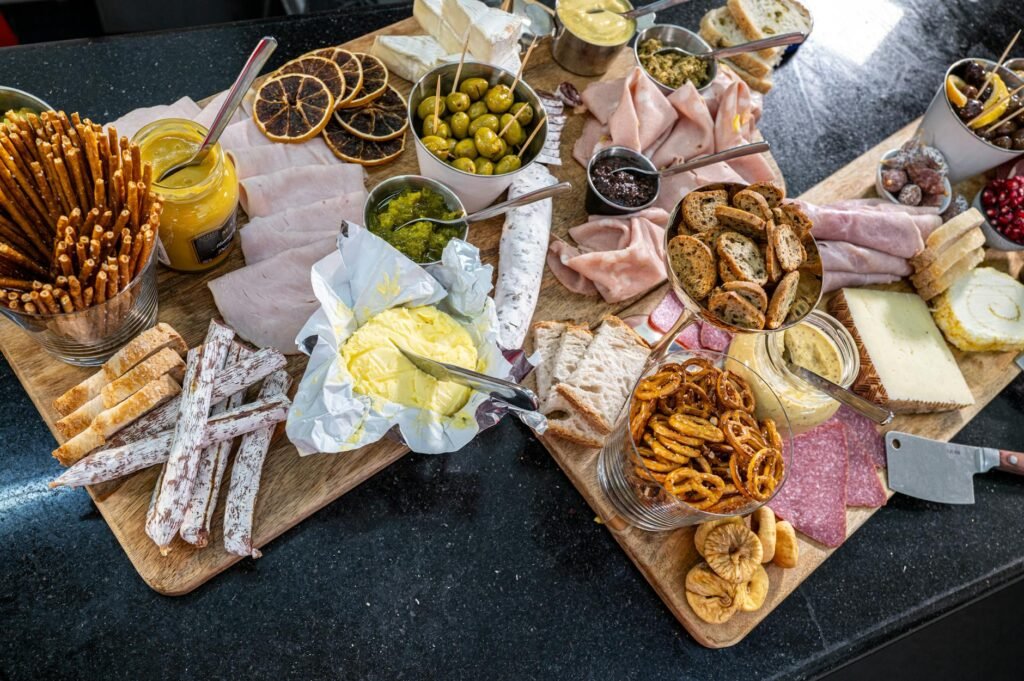
The real mistake is starting the snack clock too late
The core error is treating snacks as part of dinner service instead of part of arrival. If doors open at 6:00 p.m. and dinner lands at 7:15 p.m., snacks are not a garnish. They are the bridge that keeps the first hour from dragging. Waiting until the main dish is nearly ready creates dead air, but putting every appetizer out at once creates the opposite problem: guests fill up early, and the nicest trays look tired by the time you want them to matter.
That is also where money leaks out. Buffet-style service tends to weaken portion control, according to University of Minnesota Extension, so the just-put-it-all-out approach usually means more grazing and more leftovers than expected. FDA guidance also favors small platters, fresh replacement trays, and not adding new food onto an already used dish, which is both cleaner and easier to pace. (extension.umn.edu)
Use the Doorbell-to-Dinner Grid
Use the “Doorbell-Dinner Grid” as your easy solution for organizing the timing of house parties in four. It is effective because it gives you the ability to differentiate among guests who want something to eat right now and guests who are waiting for full meals. You should ask, “How many appetizers do I need out?” rather than “What is the next snack going to do?”
| Timing window | What guests need | Best snack type | Budget note |
|---|---|---|---|
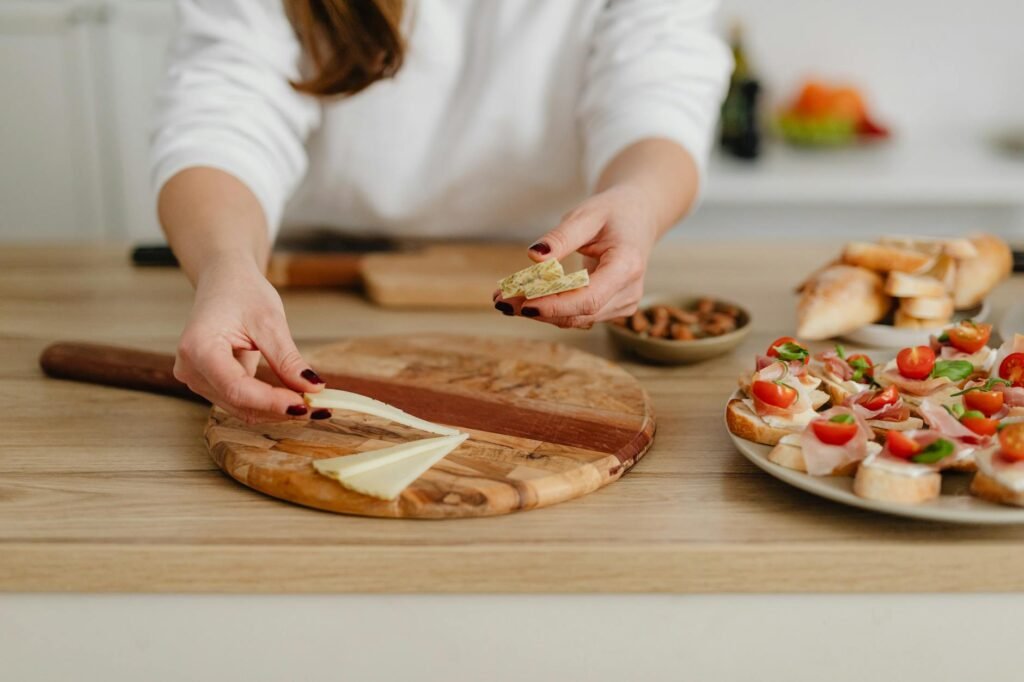
| 0 to 10 minutes after the first arrivals | A visible first bite and water | Landing snack: pretzels, nuts, popcorn, crackers, olives, cut vegetables | Use shelf-stable or low-risk items first so you are not burning through pricier perishables. |
| If dinner is more than 30 minutes away | A second wave that feels intentional, not desperate | Bridge snack: hummus and pita, fruit, cheese and sturdy crackers, bean dip | Choose one dip or protein plus one cheaper filler. Do not open every tray. |
| About 20 minutes before dinner | Something warm or special that signals the meal is close | Finish-line snack: hot dip, meatballs, skewers, deviled eggs, chilled shrimp on ice | This is the place for higher-cost or fussier items because they will not sit as long. |
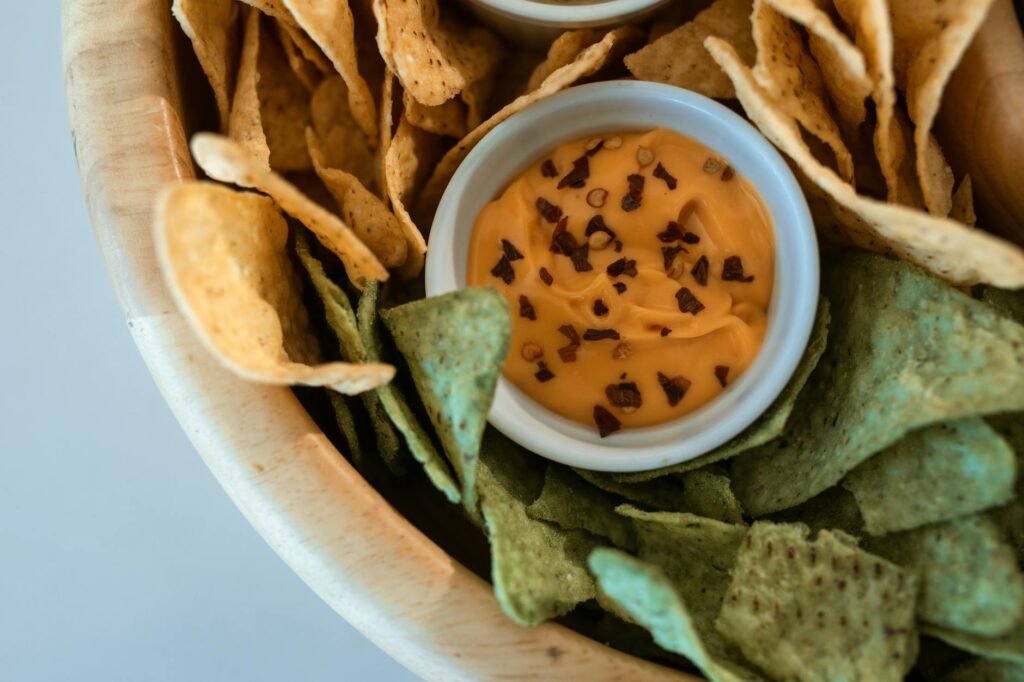
| If dinner slips by more than 20 minutes | A reset that buys time without replacing dinner | Reset tray: bread, chips and salsa, slow-cooker queso, extra vegetables and dip | Keep one backup item in reserve instead of ordering emergency takeout. |
The operating rule inside the Grid is 10-30-20: give people something to eat within 10 minutes of arrival, add a bridge snack if dinner is still more than 30 minutes away, and hold hot or more delicate appetizers until roughly 20 minutes before the meal. For food safety, keep hot foods at 140°F or warmer, cold foods at 40°F or colder, and if a cold tray is going to stay out longer than 2 hours, set it over ice or swap it out; above 90°F, that safe window drops to 1 hour. (fda.gov)
A realistic example with numbers
Say you are hosting 12 adults and 4 kids. Guests arrive at 6:00 p.m. Dinner is supposed to be a slider bar at 7:15 p.m. The sloppy version of this party looks cheap on paper but expensive in practice: nothing goes out until 6:40, then the host puts out a $34 charcuterie board, a $12 spinach dip, and $18 mini quiches all at once. Dinner slips to 7:40. By 7:10 the room is restless, half the charcuterie is picked over, the hot items have lost their appeal, and the host grabs two store pizzas for $26 to buy time. Total pre-dinner damage: about $90.
A better version uses timing instead of volume. At 6:00, guests see bowls of pretzels, popcorn, and grapes plus a water station: about $11. At 6:35, because dinner is still more than 30 minutes away, out comes hummus, carrots, and pita: about $14. At 6:55, only if the sliders are really 20 minutes out, the host starts a small queso in a slow cooker: about $9. Total snack spend: $25 to $34, no panic pizza, less waste, and nothing delicate sits on the table all evening.
The budget lesson is simple: early hunger is cheap to solve, but late anxiety is expensive to solve. A $4 bowl of popcorn at 6:05 can prevent a $26 rescue order at 7:10. Timing does not mean serving less. It means holding back the expensive food until it has a clear job.
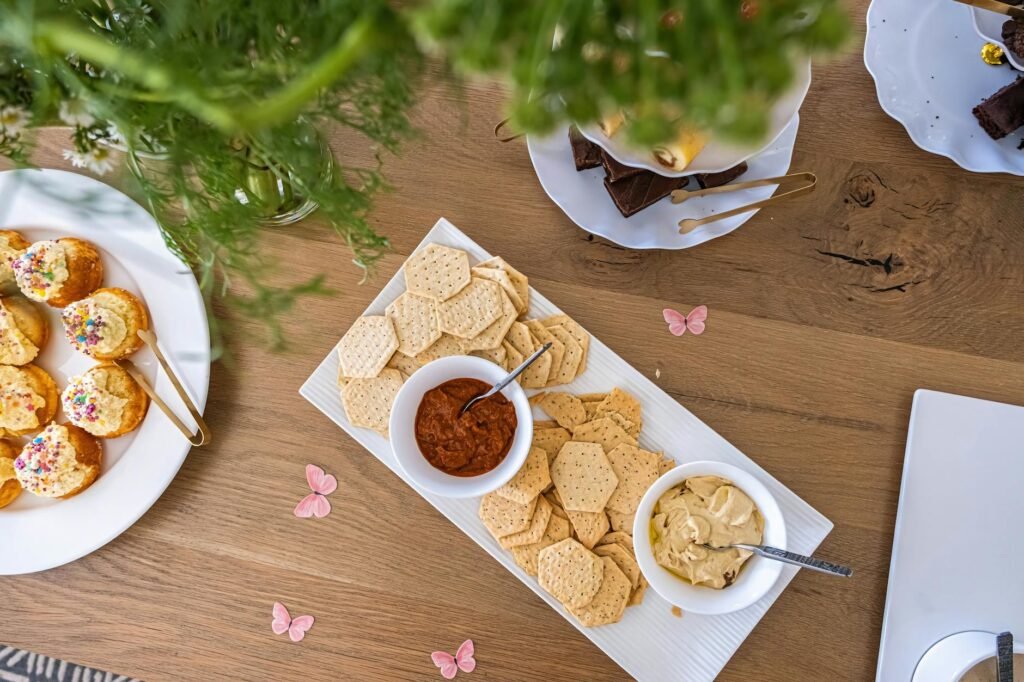
Spend your appetizer budget in this order: landing snack, bridge snack, one near-dinner showpiece, then one cheap reserve item. The reserve matters more than a fourth fancy appetizer.
What belongs in each timing window
- Landing snacks should be one-hand, low-mess, and cheap to refill: popcorn, pretzels, spiced nuts, crackers, baby carrots, snap peas, grapes, or a basic salsa tray.
- Bridge snacks should slow hunger, not replace dinner: hummus, white bean dip, cheese and sturdy crackers, fruit with yogurt dip, or a modest veggie platter.
- Finish-line snacks can be warmer or more fragile because they appear close to the meal: meatballs in a slow cooker, baked dip, deviled eggs, flatbread slices, or chilled shrimp on ice.
- Reset items are backups, not part of the default plan: extra tortilla chips, frozen meatballs, jarred salsa, bread, or freezer flatbreads.
Notice what is missing from the early window: the full spread. If guests can see every tray at 6:05, many will eat like dinner is late even when it is not. Keeping a third of your snack budget off the table until you know the schedule is one of the easiest ways to avoid both overserving and emergency overspending.
When anticipating dietary restrictions, make the snack given upon arrival the universal accommodation. If there’s a guest with a dietary restriction at the time of food service and that guest has not eaten anything before coming to the event, that guest will experience a longer wait at the food table than anyone else. The arriving snack will help provide for any kind of accommodation requested ahead of time.
Common mistakes that make people hover in the kitchen
- Waiting for every guest to arrive before putting out anything. Early arrivals set the mood for the whole room.
- Putting only drinks out first. A drink without a bite makes delays feel longer.
- Using only fragile, perishable appetizers in the first wave.
- Uncovering all the food at once because it looks abundant.
- Refilling the same half-empty tray instead of swapping in a fresh one; the FDA advises replacing serving dishes with fresh ones rather than topping off an existing dish. (fda.gov)
- Having no reserve snack in the pantry or freezer.
- Letting the snack table drift without a clock or timer on foods that need temperature control.
One more mistake is menu mismatch. University of Minnesota Extension notes that buffet service makes portion control harder and that limited refrigerator or oven space can create time-management and food-safety problems. In real life, that means ambitious appetizer menus fail when they need more cold space, more trays, or more last-minute oven time than a home kitchen can handle. (extension.umn.edu)
When the schedule slips anyway
Some parties are harder to time cleanly. Open houses with rolling arrivals, grill-heavy menus, delayed deliveries, and outdoor parties in summer all need a backup plan. Outdoor heat matters especially: the FDA and CDC both say perishable foods left out above 90°F should generally be refrigerated or discarded after 1 hour, not 2. Cold foods should stay chilled, ideally on ice if they will sit out, and hot foods need equipment that can actually hold them safely rather than merely keeping them warm. (fda.gov)
- Assume dinner will be 20 minutes late and plan your snack map from that worst-case time, not the optimistic one.
- Keep one pantry-based reserve item and one freezer-based reserve item. Think chips and salsa plus frozen meatballs or flatbread.
- If the party is outside, reduce the amount of chilled food on the table and replenish from a cooler or refrigerator in small batches.
- For open-house events, repeat the landing-and-bridge cycle in small waves instead of leaving everything out for hours.
- If a hot appetizer cannot be held above 140°F or a cold one below 40°F, swap to a shelf-stable option instead. (fda.gov)
How to pressure-test your plan before guests arrive
A good party plan should survive a 30-minute delay without embarrassment. Run this quick audit before the first doorbell:
- Write down two actual times: first guest arrival and realistic dinner time. Do not use vague labels like cocktail hour or eat later.
- Assign every snack to one of four labels: landing, bridge, finish-line, or reserve.
- Set a phone timer when a perishable tray hits the table. The FDA says cold buffet items that stay out longer than 2 hours should be kept on ice, and perishables generally should not sit out beyond 2 hours at room temperature, or 1 hour above 90°F. (fda.gov)
- Check your holding plan. USDA says hot foods should stay at 140°F or warmer, and the FDA says cold foods should stay at 40°F or colder. (fda.gov)
- Stage backups in separate containers so you can replace trays instead of topping them off. (fda.gov)
- Look at fridge, cooler, and oven space honestly. Extension guidance for cooking for a crowd stresses planning around equipment, refrigerator space, and labor before the event starts. (extension.umn.edu)
Food-safety guidance here is general information. Use a food thermometer for hot holding, and check local rules if you are serving a public event or cooking for pay. (fda.gov)
The simplest fix
A great way to throw a great party is to not have a large number of items available at all times. It is better to put out a larger quantity earlier, place a visible appetizer out, and put the first hour’s appetizer out if you are waiting for an hour for dinner, and keep your better hot items or perishables close to when you serve the meal. When guests are not hovering around the table, your guests will feel much calmer, and your food will last longer since you purchased food to go with when you bought them rather than to panic to get the food at the last minute.
Frequently Asked Questions
How early should snacks be out if dinner starts at 7:00 p.m.?
Lands are made more fun, so long-sought foods will be the first to arrive and enjoy “life as we know” in 10 minutes, not the last hour. So plan for a bridge snack if awaiting food for over 30 minutes after arrival. This includes hot or fragile appetizers that should be held until time to serve before they spoil.
Should I wait until everyone arrives before putting out food?
Usually no. Early guests shape the mood. A simple bowl snack and water station prevent the nothing-is-happening feeling and cost less than putting out every appetizer at once.
Can charcuterie, creamy dips, or shrimp stay out all evening?
Not if they include perishable items such as meats, soft cheeses, creamy dips, or shrimp. The FDA and CDC say perishable foods generally should not stay at room temperature more than 2 hours, or 1 hour above 90°F. Keep cold items at 40°F or colder, use ice when needed, and replace them in small trays. (fda.gov)
What is the cheapest snack timing fix if my budget is tight?
Rather than attempting to assemble a complete appetizer table at once, begin with just one snack to share (the Landing Snack) and one reserve item. For your first round of snacks, you can use cheap items (like popcorn, pretzels, chips and salsa or cut veggies) and use money to buy only one special item if you know you’re going to be having a real full dinner.
How do I know if I planned too many appetizers?
If guests can make a meal from what is on the table more than 45 minutes before dinner, you probably released too much too soon. That is especially true with buffet setups, where portion control tends to be weaker. (extension.umn.edu)
References
- FDA – Serving Up Safe Buffets – https://www.fda.gov/food/buy-store-serve-safe-food/serving-safe-buffets
- USDA – Your Holiday How-To: Keeping Hot Foods HOT and Cold Foods COLD – https://www.usda.gov/about-usda/news/blog/your-holiday-how-keeping-hot-foods-hot-and-cold-foods-cold
- CDC – Preventing Staphylococcal (Staph) Food Poisoning – https://www.cdc.gov/staph-food-poisoning/prevention/index.html
- University of Minnesota Extension – Planning the quantity food occasion – https://extension.umn.edu/cooking-safely-crowd/planning-quantity-food-occasion