
When you have a bland pasta dish, it can be very frustrating to think about how much more the ingredients could have brought to your meal. When you used a complete jar of sauce, a large pot full of sauce, a lot of pasta, a large pot full of water, and a generous pot full of sauce, you thought you could do a better job with your budget. Pasta was meant to be one of the easiest and best value recipes in the kitchen and not the dish that makes everyone look for salt or cheese (or an app for takeout) five minutes after serving it.
TL;DR
- Most bland pasta is not a “not enough sauce” problem. It is usually a seasoning, dilution, or finishing problem.
- Use the BLAND Audit: Base seasoning, Layering, Adhesion, Noodle match, and Dilution.
- The cheapest fixes are usually salting correctly, saving pasta water, simmering the sauce a little longer, and finishing the pasta in the sauce instead of topping it after the fact. (barilla.com)
- If you need more depth, add a small, targeted boost such as garlic in oil, tomato paste, Parmesan, butter, lemon juice, or red pepper flakes instead of dumping in more jarred sauce.
- If you are watching sodium, season in smaller steps. FDA guidance says the Daily Value for sodium is less than 2,300 mg per day. (fda.gov)
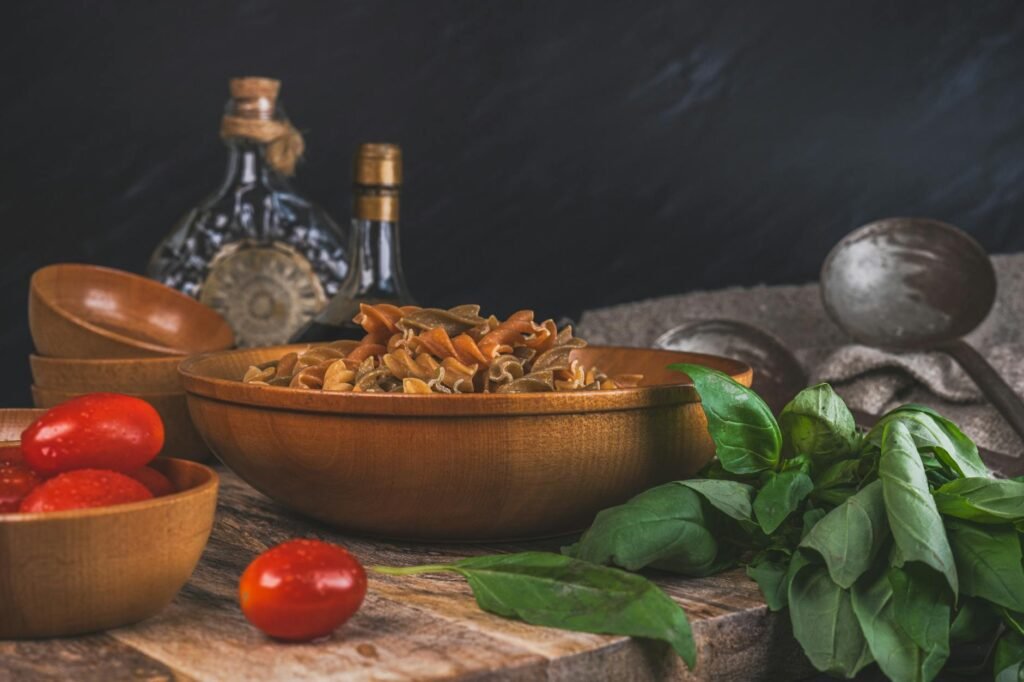
The real problem usually is not the amount of sauce
Pasta tastes bland when the sauce and the noodles never really become one dish. If you ladle sauce over plain drained pasta, you can end up with a bowl that looks coated but eats in separate layers: neutral noodles underneath, wet sauce on top, and very little flavor in each bite. The fix is less about volume and more about getting seasoning, starch, fat, and texture to work together. Reserving some pasta water and finishing the pasta briefly in the sauce helps the sauce cling instead of sliding off. (barilla.com)
Another common issue for home cooks is a lack of balance in their food. For example, an acidic tomato sauce can taste bland if it doesn’t contain sufficient salt or has not enough contrast. Alternatively, a rich cream sauce will taste flat if it also has not enough salt or lacks sufficient contrast171; whereas herby pesto(s) will taste muddy if they haven’t been properly prepared.
In most cases, what people perceive as a “bland” sauce either doesn’t have enough salt, lacks enough contrast between ingredients when combined together, the amount of liquid added to the dish has been diluted too much by the previous sauces used and/or the weight whereby salt has been put on the product has exceeded the weight of the actual product. Therefore, adding a teaspoon of lemon juice, tablespoon of butter, tablespoons of cheese shredded, and placing it back on the stove for one more minute may solve your bland problem rather than purchasing another half gallon jar of pasta sauce.
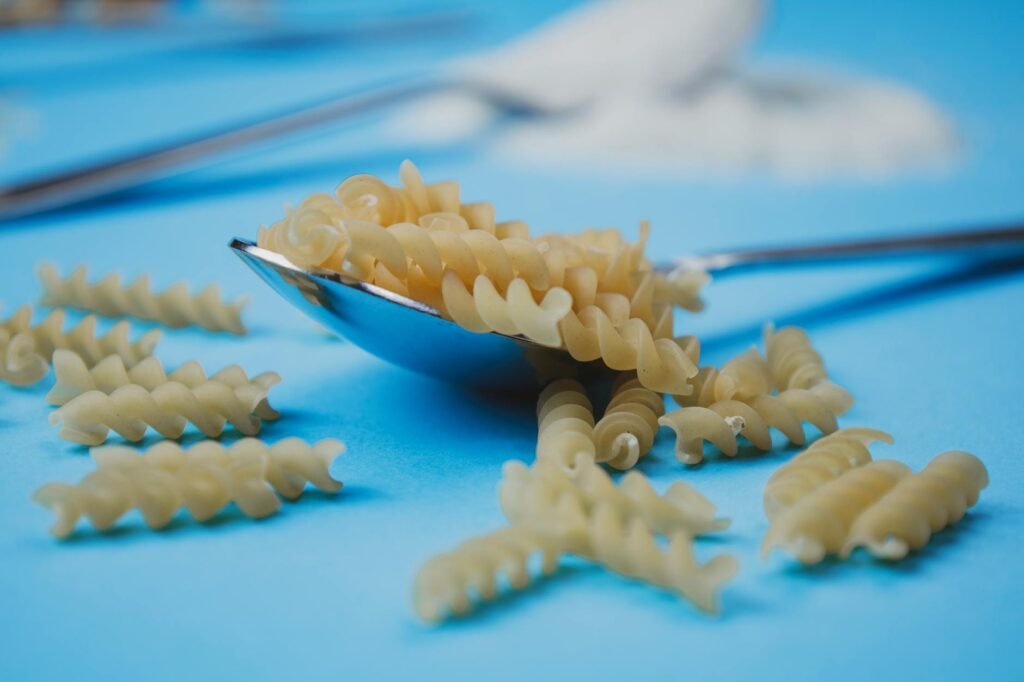
Shape matters more than many weeknight cooks think. Rougher and more textured pasta tends to hold sauce more effectively, and shapes with twists, ridges, or hollows are often better at carrying a thin or chunky sauce than very smooth strands. That does not mean spaghetti is wrong. It means spaghetti needs a little more help from proper finishing and emulsifying than a ridged or bronze-cut shape does. (barilla.com)
Use the BLAND Audit before you change your recipe
The BLAND Audit is fast and easy for you – and anyone – to do before dinner is served! It has identified five failure points within a recipe for pasta, so it has successfully identified the reasons why pasta can turn out poorly, even though everything else about it looks good!
- B = Base seasoning. Did the pasta water have enough salt, and does the sauce itself taste seasoned before it touches the noodles?
- L = Layering. Does the dish have some depth from oil, butter, cheese, garlic, pepper, herbs, or acid, or is it one-note?
- A = Adhesion. Did you reserve pasta water and toss the pasta with the sauce so it coats the noodles instead of pooling? Barilla recommends reserving 1 to 2 cups of pasta water. (barilla.com)
- N = Noodle match. Does the shape fit the sauce? Twists, ridges, and rough surfaces tend to hold more sauce than very smooth pasta. (barilla.com)
- D = Dilution. Did watery vegetables, extra cooking water, oversized portions, or cold leftovers thin the flavor down?
Typically, performing this audit in the proper sequence will allow you to prepare a meal in no time, likely costing less than one dollar! Additionally, the most effective solution to rescuing your pasta will not be a trip to the store, but rather an expedient diagnosis.
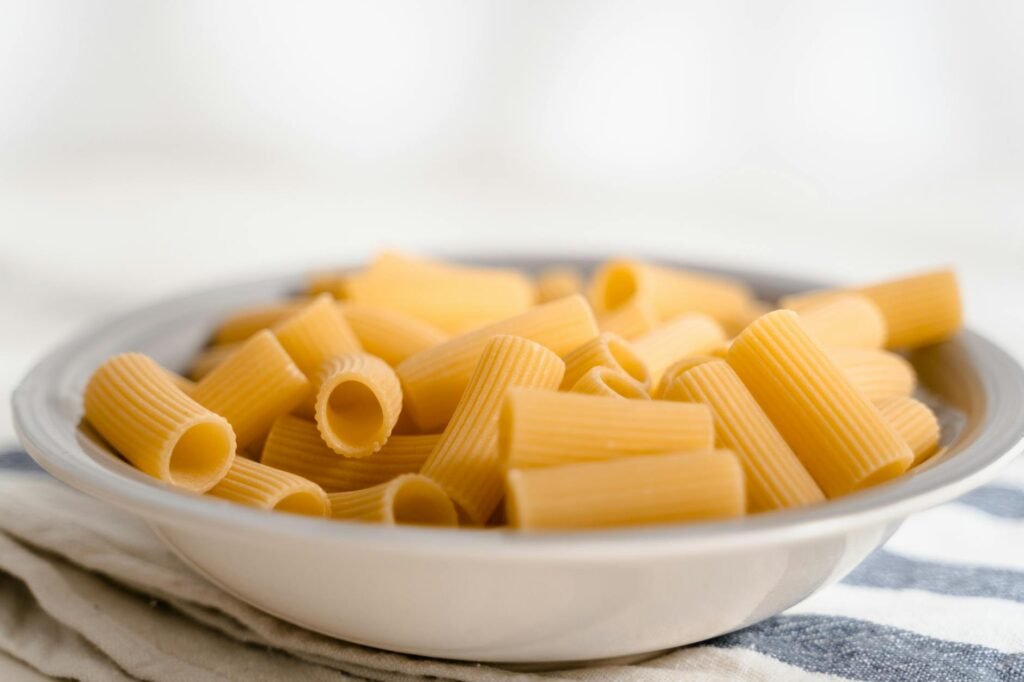
A weeknight example: the $7.43 dinner that still disappoints
Say a household of four makes dinner with one pound of spaghetti for $1.79, a 24-ounce jar of marinara for $3.49, two tablespoons of olive oil for $0.44, three cloves of garlic for $0.27, and two ounces of Parmesan for $1.44. Total: $7.43, or about $1.86 per serving. On paper, that is exactly the kind of low-cost dinner that should stay in regular rotation.
But the cook boils the pasta in barely salted water, drains it completely, dumps it back in the pot, and spoons room-temperature sauce on top. The result tastes watery and flat. Everyone adds more cheese, more sauce, maybe more salt, and the dinner still feels unfinished. A better version uses the same core ingredients, plus maybe one tablespoon of tomato paste and one teaspoon of red wine vinegar from the pantry. That adds roughly $0.21, brings the total to about $7.64, and often saves a family from turning a cheap dinner into a $35 delivery order.
| What you taste | Likely cause | Fast fix | Typical extra cost |
|---|---|---|---|
| Watery, weak flavor | Dilution from thin sauce, wet add-ins, or no skillet finish | Simmer the sauce 2 to 3 minutes and toss the pasta in it with a small splash of pasta water | $0 |
| Sauce tastes fine alone, but pasta tastes dull | Adhesion problem | Reserve pasta water and finish the noodles in the sauce for 30 to 90 seconds | $0 |
| Tomato sauce tastes flat | Needs contrast | Add a little olive oil or butter, plus a small amount of lemon juice or vinegar | $0.03 to $0.35 |
| Cream sauce tastes heavy but boring | Too much richness, not enough salt or acid | Add black pepper, cheese, and a small squeeze of lemon | $0.10 to $0.60 |
| Chunks are flavorful, noodles are not | Shape mismatch or poor coating | Use ridged, twisted, or rough-textured pasta next time | $0 now; varies next box |
| Leftover pasta tastes dead | Sauce absorbed, starch tightened, moisture lost | Reheat with a spoonful of water or sauce, then finish with cheese or butter | $0.05 to $0.50 |
The 7-minute pasta reset
If dinner already feels bland, this is the fastest useful reset. It works especially well for jarred tomato sauce, simple butter sauces, and weeknight cream sauces.
- Taste the sauce by itself before it goes on the pasta. If it is dull now, it will be dull later.
- Salt the pasta water properly next time. If tonight’s pasta is already cooked, season the sauce instead of trying to rescue the noodles.
- Warm the sauce in a skillet, not just in the jar or microwave. Heat concentrates aroma and helps small additions blend in.
- You can add only 1 depth builder at this point; not 5. More good options that are inexpensive would be 1 tsp of tomato paste, 1 Tbsp of butter, some olive oil, 1 clove of garlic cooked shortly in fat or 2 Tbsp of grated cheese.
- Add one contrast builder if needed. A small squeeze of lemon or a teaspoon of vinegar can wake up tomato or cream sauce without making it taste sour.
- Reserve some pasta water and add it a little at a time while tossing. The goal is a glossy coating, not a watery puddle. (barilla.com)
- Finish the pasta in the sauce for 30 to 90 seconds. That is the point where a bowl of noodles and a pan of sauce becomes an actual pasta dish. (barilla.com)
Changing only one ingredient at a time is a good rule of thumb; for instance, if you add salt, then cheese, then butter, then chili flakes, then garlic, then lemon juice, and finally extra herbs all at once, you won’t learn anything. If you add only one ingredient at a time, taste it, and then adjust accordingly, you establish a method that can be replicated over and over again rather than running around trying to fix a dish that you can’t fix with anything!
Mistakes that make a full pan taste empty
- Using a large amount of unsalted or lightly salted pasta water. That gives you tender noodles with almost no internal seasoning.
- Rinsing the pasta. You wash off surface starch that helps the sauce cling.
- Putting sauce on top instead of tossing pasta and sauce together.
- Stretching one jar of sauce too far. A pound of pasta can overwhelm a sauce if the sauce is thin, mild, or not reinforced with anything else.
- Adding watery vegetables without cooking off moisture first. Mushrooms, zucchini, and frozen spinach can thin out the whole pan if they go in wet.
- Relying on dried herbs that are old enough to smell like dust. They add color, not much flavor.
- Using a very smooth pasta shape with a sauce that is already thin. A better match can solve the problem without adding more ingredients. (barilla.com)
When technique is not enough
Sometimes the sauce is a real issue, for instance, a jar at the supermarket may be too sweet, thin, or lacking in aromatic qualities. A cream sauce could contain everything dairy with no flavor. A pesto sauce may be oily while lacking flavor. When you run into difficulties, you should not continue to attempt and fix the entire batch with added salt; instead, you should have another option that will tackle the primary problem.
- If the sauce is thin, reduce it for a few minutes or stir in a spoonful of tomato paste.
- If it tastes sweet but flat, add a little olive oil, red pepper flakes, and a small splash of vinegar or lemon.
- If it tastes sharp but hollow, add butter or cheese to round it out.
- If it tastes fine but disappears on the noodles, switch shapes next time or use a rougher, ridged pasta. (barilla.com)
- If you are serving picky eaters, split the batch and adjust one portion first. It is cheaper than overcorrecting the entire pan.
A single, inexpensive item has limitations. Using a plain tomato puree, plain buttered noodles or a low flavor jar sauce, you will need to add one or two other items to complete your meal. That’s not bad; that’s how you make a meal. The goal isn’t to make your pasta night taste like a restaurant, but rather to create an intentional, inexpensive dinner.
How to pressure-test the fix before you serve
- Taste one spoonful of sauce alone.
- Taste one plain noodle or a small forkful of the cooked pasta.
- Taste one bite after tossing the pasta in the sauce.
- Ask one question only: what is missing most right now – salt, richness, brightness, or coating?
- Make one small adjustment and repeat the tasting cycle before everyone sits down.
Using this mini-audit; you will not be looking for additions to avoid blandness. When tasting your sauce alone and your plated pasta is bland alone, you likely have a problem with either yoursauce or its adhesion or dilution. If both the sauce and the plated pasta are bland together you have a problem with either the seasoning or the balance of your recipe. If your first bite has very high levels of taste, but the second, is very low in levels of taste, then either you need to improve your coating or use an alternative shape to hold the sauce properly.
If you monitor sodium for blood pressure, kidney disease, or another health reason, season in smaller steps and check the label on jarred sauces. FDA says the Daily Value for sodium is less than 2,300 mg per day, and packaged foods are a major source of sodium in the diet. For leftovers, refrigerate promptly and use them within a few days; FoodSafety.gov says many leftovers are best used within 3 to 4 days, while Barilla says opened sauce jars can generally be refrigerated for 3 to 5 days. (fda.gov)
Bottom line
Bland pasta meals are typically a systems issue and not a case of running out of sauce. Try using the BLAND Audit above by looking at the below components of base seasoning, layering, adhesion, noodle match, and dilution. Once you’ve identified the specific miss, address it with a simple inexpensive action. Here are some ideas: Be more intentional with your salt. Use the saved pasta water to finish cooking the noodle in the sauce. Add a little bit of acid or fat, whatever is needed to shape the flavour when you finish the pasta to the sauce. Finally, choose a noodle that will actually hold the sauce you make. All of these ideas will cost you less than buying a premium jar of sauce and are much more likely to help your next Tuesday night’s dinner tastes like a plan vs. like Meatloaf.
FAQ
Why does my pasta taste bland when the sauce tastes fine from the jar?
There may be unseasoned noodles or thin sauces on the pasta. An unseasoned noodle, for example, is likely to end up in the bowl tasting flat even if the sauce has good flavor when you taste it.
Is adding more sauce the best fix?
Typically, you should not use more sauce as this simply adds moisture but does not add flavor. You can improve the existing sauce with some of the following: better seasonings, use of reserved pasta water, and a quick toss to finish cooking in the pan.
Should I still salt the pasta water if the jarred sauce is salty?
Usually yes, but be measured. The pasta itself needs seasoning. If you need to limit sodium, go gradually and rely more on acid, garlic, herbs, pepper, or cheese for depth. FDA says the Daily Value for sodium is less than 2,300 mg per day. (fda.gov)
What is the cheapest way to make jarred pasta sauce taste better?
Heat it in a skillet, add one depth builder such as garlic in olive oil, butter, tomato paste, or grated cheese, then finish the pasta in the sauce with a little pasta water. That usually beats opening a second jar. (barilla.com)
Which pasta shapes help sauce cling better?
In general, rough, ridged, twisted, or hollow shapes do a better job with many sauces than very smooth pasta. Bronze-cut pasta and shapes like gemelli or campanelle are designed to hold sauce more effectively. (barilla.com)
How do I fix bland leftover pasta?
Reheat it with a spoonful of water or extra sauce so it loosens up, then add a small finishing ingredient such as butter, Parmesan, black pepper, or fresh herbs. Store leftovers promptly and plan to use them within a few days. (foodsafety.gov)
References
- FDA: Sodium in Your Diet – https://www.fda.gov/food/nutrition-education-resources-materials/sodium-your-diet
- FoodSafety.gov: Cold Food Storage Chart – https://www.foodsafety.gov/food-safety-charts/cold-food-storage-charts
- Barilla: How to Use Pasta Water – https://www.barilla.com/en-us/help-with/pasta-kitchen-tips/pasta-water-tips-tricks
- Barilla: How to Store Pasta and Pasta Sauce – https://www.barilla.com/en-us/help-with/storage-reheat-and-product-faqs/pasta-and-pasta-sauce-storage
- Barilla: Al Bronzo Pasta – https://www.barilla.com/en-us/products/pasta/al-bronzo
- Barilla: Gemelli – https://www.barilla.com/en-us/products/pasta/classic-blue-box/gemelli
- Barilla: Campanelle – https://www.barilla.com/en-us/products/pasta/classic-blue-box/campanelle